




Double Doors
Compare the pros and cons of sliding door vs double door systems from a contractor with 20+ years of experience.
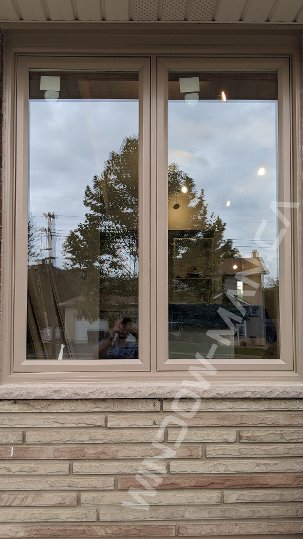
Brown windows are a good option when black feels too sharp and white feels too plain.
They work especially well with brick, stone, beige siding, wood details, and warmer exterior colors. Depending on the shade, brown windows can look traditional, modern, or somewhere in between.
Browse all vinyl windows.


Brown windows are easy to underestimate because they are quieter than black. They do not create the same hard contrast, but that is often the advantage. Brown frames blend more naturally with brick, stone, wood, and earth-tone exteriors.
The main benefits are:
For many homes, brown is the better choice when you want the windows to add definition without becoming the main feature of the exterior.
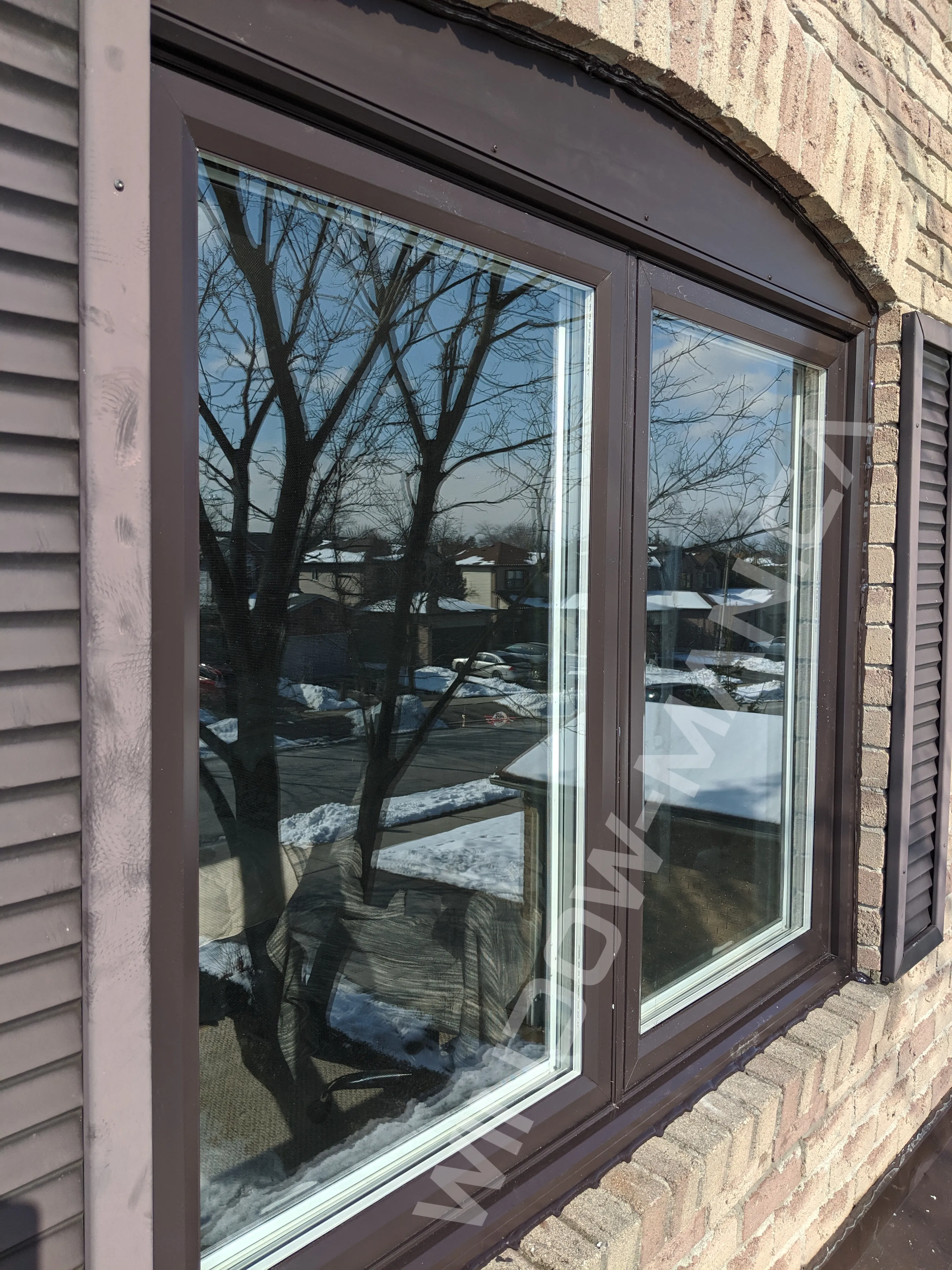
Brown is not one single window color. The exact shade changes how noticeable the frame feels and what exterior materials it works with.
Light brown windows have a softer, warmer look.
They work well with:
Light brown is a good choice when you want something warmer than white but do not want the stronger contrast of dark brown or black.
It can also make a traditional exterior feel a little more updated without changing the character of the house completely.
Sandalwood is one of the more practical brown window colors because it sits between beige and a true medium brown.
It is warm enough to work with brick and stone, but light enough that it does not outline the house as strongly as chocolate brown or black.
Sandalwood windows work particularly well with:
If black feels too modern and dark brown feels too heavy, Sandalwood is often a very safe middle ground.
It also works well as an exterior-only finish with white vinyl on the inside, keeping the rooms bright while giving the exterior a warmer look.
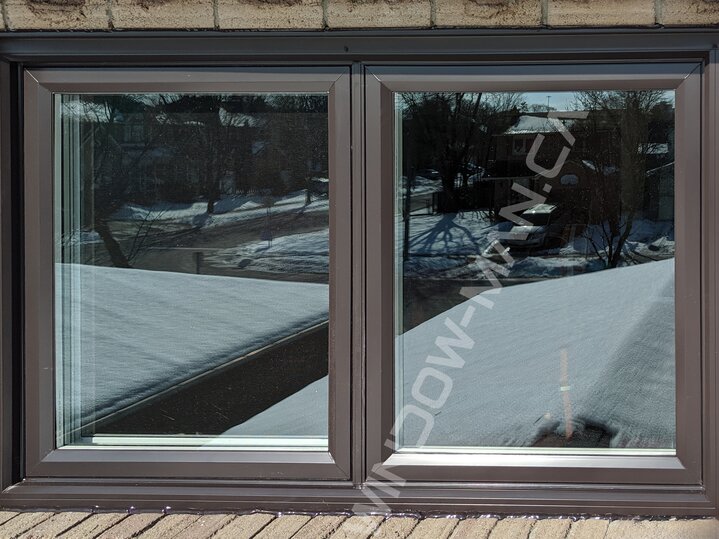
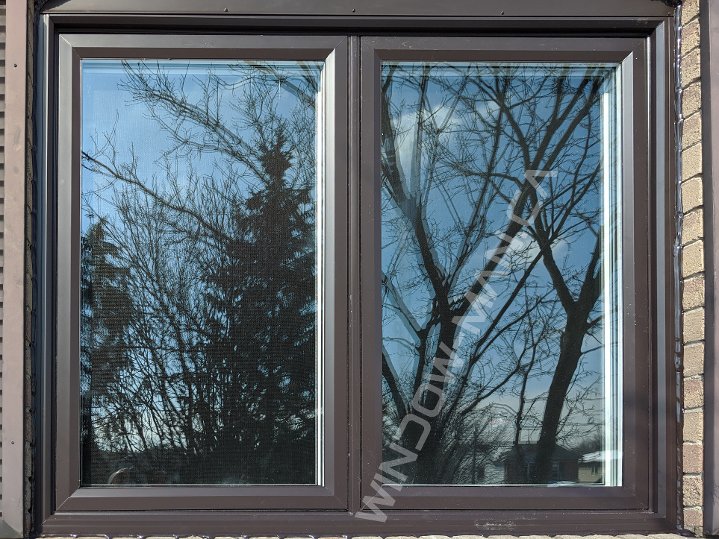
Dark brown windows create more definition around the opening.
They work particularly well with:
From a distance, very dark brown can sometimes read almost like black, but up close it feels warmer.
That difference matters on brick homes where pure black can sometimes look too harsh.
Chocolate brown windows sit somewhere between a strong architectural color and a natural wood tone.
They work especially well on homes with:
If the house already has a lot of warm colors, chocolate brown usually blends in more naturally than black.
Brown can be used across most common replacement window configurations.
The color does not change how the window operates, so the right style should still be chosen based on ventilation, opening size, and how the room is used.
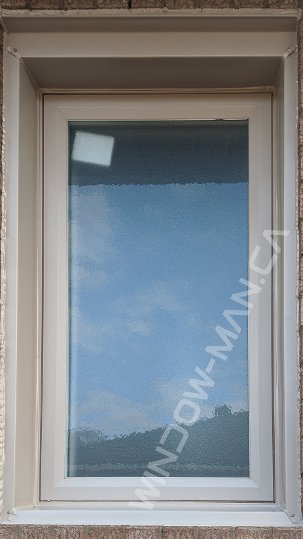
Brown casement windows are a practical option when you want good ventilation and a tight seal.
They work well for:
The darker frame also outlines the glass more clearly, which can make a simple casement window look more finished from the outside.
A brown awning window works well for smaller openings or as part of a larger window combination.
Awning windows are commonly used in:
If the awning is combined with fixed or casement windows, I would normally keep the same brown finish across the whole opening so it reads as one unit.
Large fixed windows are where brown frames can have the biggest visual impact.
Because there are fewer moving parts and more glass, the frame becomes a clean outline around the view.
This can work particularly well in living rooms or larger front-facing openings where black would feel too strong.
Brown bay and bow windows can work especially well on traditional brick and stone homes.
These windows already have more structure than a flat opening, so the brown finish adds definition without needing extra decoration.
For bay and bow windows, consistency matters. The frame color, exterior cladding, grills, and surrounding trim should all work together.
Brown vinyl windows are a practical alternative to wood windows when you want a warmer exterior color without the maintenance of real wood.
The base vinyl frame is normally white, with the brown finish applied to the exterior through a manufacturer-approved coating or laminate system.
This gives you the option of:
For most homes, brown outside and white inside is the easiest combination.
You get the warmer exterior appearance while keeping the rooms bright and easy to match with interior walls and trim.
In Canada, 'vinyl windows' is the more common term. uPVC windows and vinyl windows generally refer to the same basic frame material used for residential replacement windows.
So if you are looking at brown uPVC windows, the important questions are really about the frame quality, exterior finish, glass package, and installation rather than the name used for the material.
The brown finish should be designed for exterior use and able to handle sun and temperature changes without peeling or bubbling.
Grills can change the look of brown windows quite a bit.
A simple grille pattern gives brown windows a more traditional appearance, especially on brick or stone homes.
For windows that are brown outside and white inside, two-tone grills are usually the cleanest solution:
That way the grill matches the window from both sides.
If the house is more modern, I would usually keep the glass cleaner and either use very simple grills or leave them out completely.
Brown windows are easiest to use with warm exterior materials.
Good combinations include:
Brown can also work with white siding, but the contrast will be softer than black.
I would be more careful with cool blue-gray exteriors. Some brown shades can look disconnected if the rest of the house has a very cool color palette.
The undertone matters just as much as the color name.
Replacing old windows with brown windows can change the exterior quite a bit without changing the actual openings.
If the existing windows are white, switching to brown can add more definition and make the windows blend better with brick, stone, or wood details.
Before choosing the finish, think about:
You also do not necessarily need brown windows everywhere.
On some homes, using brown only on the front or main street-facing side can give you the look you want while keeping the rest of the project simpler.
Start with the exterior materials already on the house.
If the brick and stone are warm, a brown window usually feels natural. If the exterior is very light, a darker brown can create stronger contrast. If you want something quieter, a lighter brown will blend in more.
Then choose the window style based on the room and how the window needs to operate.
Color should improve the house, but it should not dictate the whole project. The best brown windows are still the ones with the right size, configuration, glass, and installation.
Yes. Brown windows provide definition around the opening like black windows, but the contrast is softer and warmer. They often work particularly well with brick, stone, beige siding, wood details, and other warm exterior materials.
Blog
See all blog
Compare the pros and cons of sliding door vs double door systems from a contractor with 20+ years of experience.
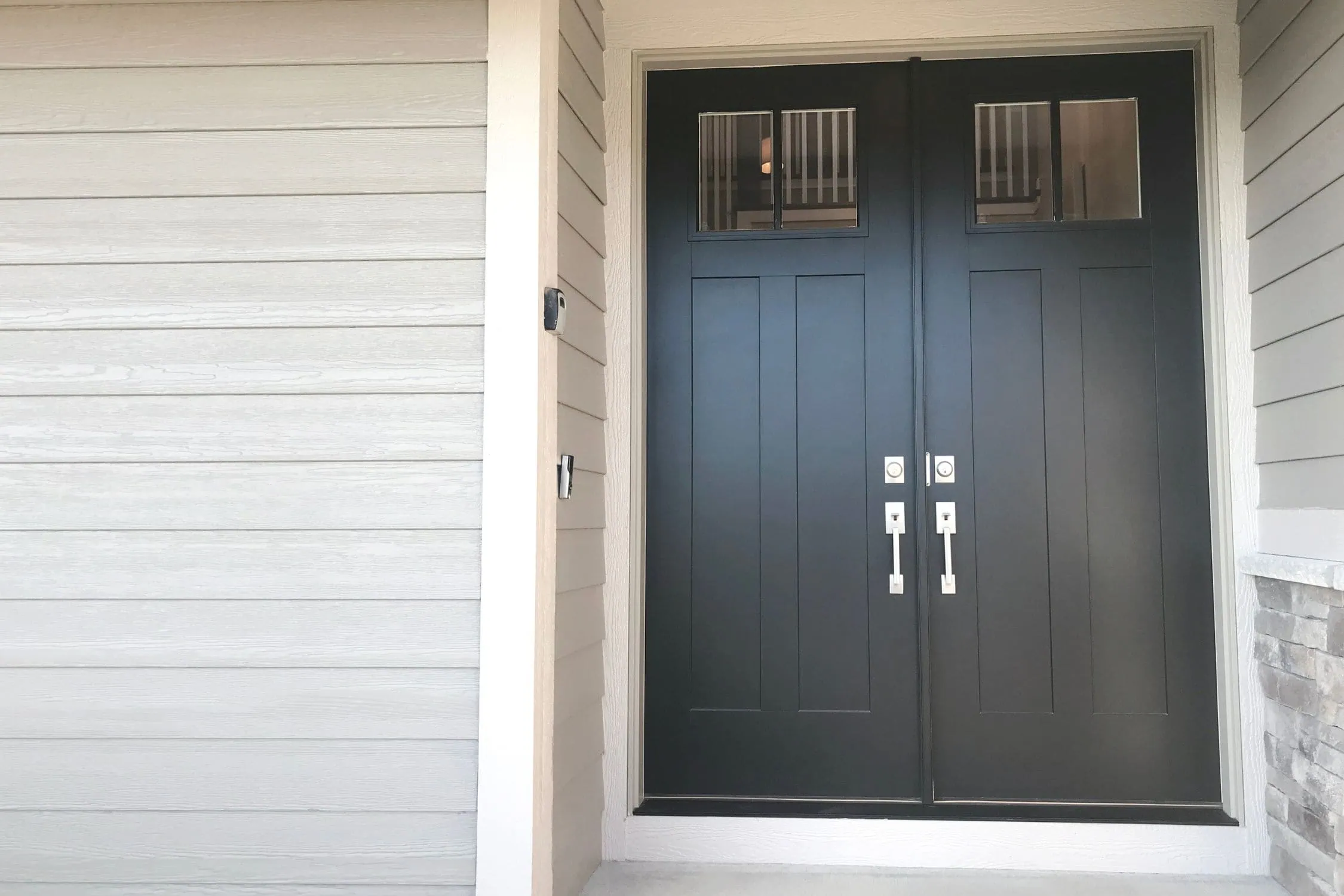
Discover the top trending double door designs of 2026 — from bold pulls to smart locks. Real-world picks that look great and actually work.
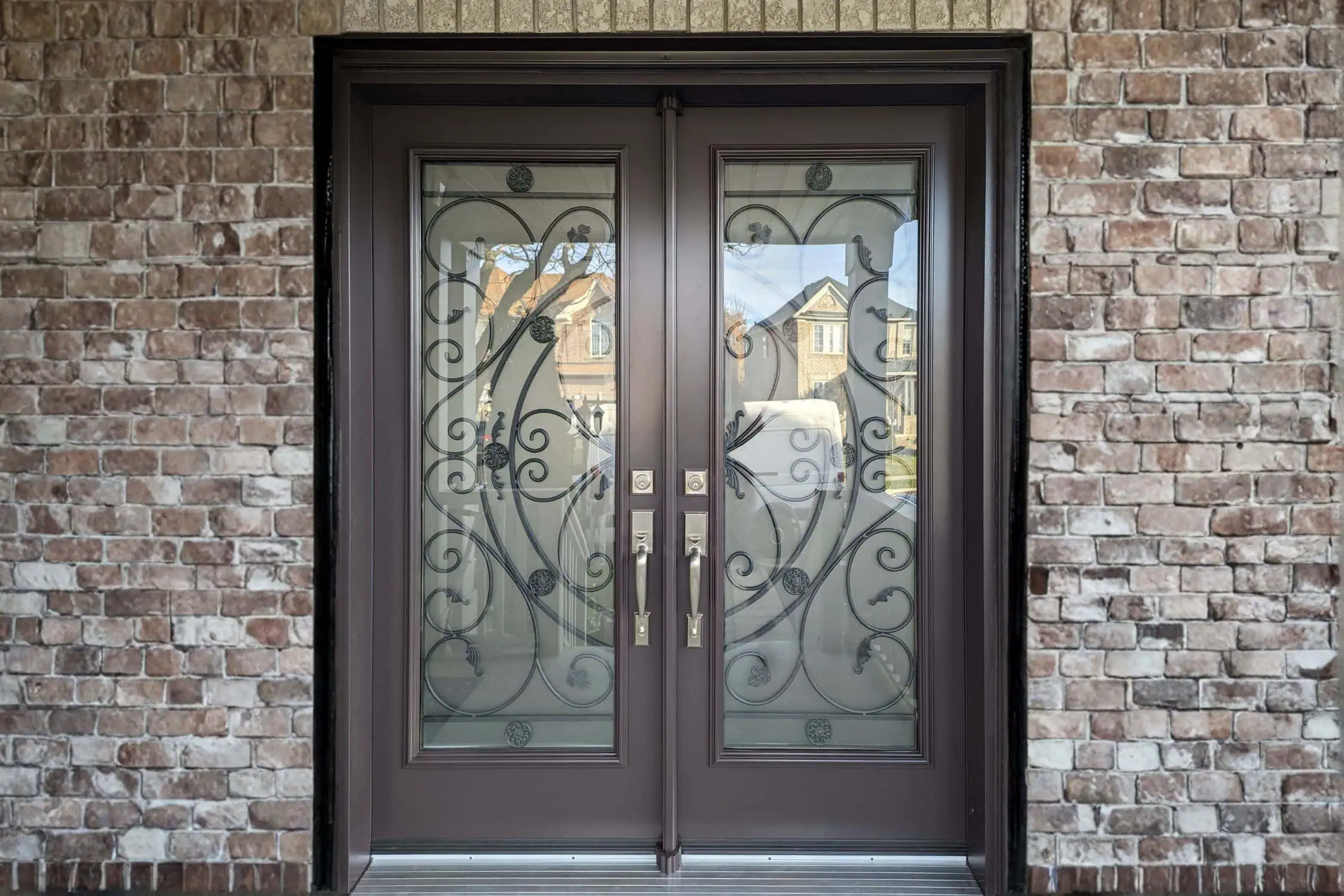
How to seal double doors the right way. Learn where leaks start, how to fix the center seam, threshold, and frame — and when to call a pro.


If i could give 6 stars i would...from ordering the glass design we wanted to the actual install it went extremely smooth. These guys are definitely good and what they do. Great attention to detail, it looks like a custom ordered door. They cleaned the entire work area so well that it looks like they were never here. Great work guys, Thank you again.
I found Window man on Google. I sent him pictures of my existing door he quickly responded with options and price. I did get other quotes his was the best and I liked how quickly he answered my inquiry. He came out to measure and explained everything and ensured I understood everything. He came back for installation he was on time, clean and efficient. I am very pleased with everything
Worked w Andrew on my Exterior Reno beginning w changing my front door to this beautiful Fire Engine Red Front Door. Loved working with him Very professional and highly responsive thru the whole process getting back to me with answers to all my questions. He let me take my time with the decision. Highly recommend him.
Andrew did a fantastic job installing our door. He was on time, responsive, and very professional. The door itself is great and the quality of work was excellent. Andrew showed when he said he would and with his co-worker, they did a phenomenal job within a respectable time frame. His price is competitive and matches well with a job well done.
Andrew was amazing to work with - he came over and gave me an estimate the same day and within a few weeks I had a new front door installed smoothly. Highly recommended - excellent service and great product. He made the whole process easy and straightforward.
I'm not one to leave reviews so this is rare, I actually want to for once. Andrew has been a pleasant surprise, he's just installed new doors on my house. The work is excellent, his installation is clean &very well done. Everything about the process has been professional & on point. I can't describe in words how at ease it is to be able to have a competent tradesman come in that I don't have to babysit. Andrew has taken care of pretty much everything & the entire process was pleasant, professional & very well done.
We needed to replace 35 years old French doors for patio. After reviewing several companies we settled on Window Man as the best option for our project. We contacted Andrew, he came to our house promptly and explained everything from the type of doors, frame and the beveled glass. We were impressed with the quality and installation we received from Window Man. Andrew was efficient, professional and did a clean job and left no mess. We love our new door! I would recommend Window Man to our family and friends!
Excellent quality and never any issues with communication. Best prices around Very reliable I have used him twice and Will again!!
Andrew and his team did a great job on our front window replacement, small window repair, and replacement of two exterior doors. He is a very nice person to be around, and he made us feel comfortable throughout the process. There was no pressure and he was willing to give a rough idea of prices before coming out to our house, which we appreciated. He ended up giving us a really good deal too. When the team came to install the window and doors, they were very efficient and respectful of our house. He paid attention to small details, like levelling the doorframe to accommodate our un-level wall, and fixing some of the flashing to make the final result look better. Overall, we had a great experience and would highly recommend this company!


— Anastasia