
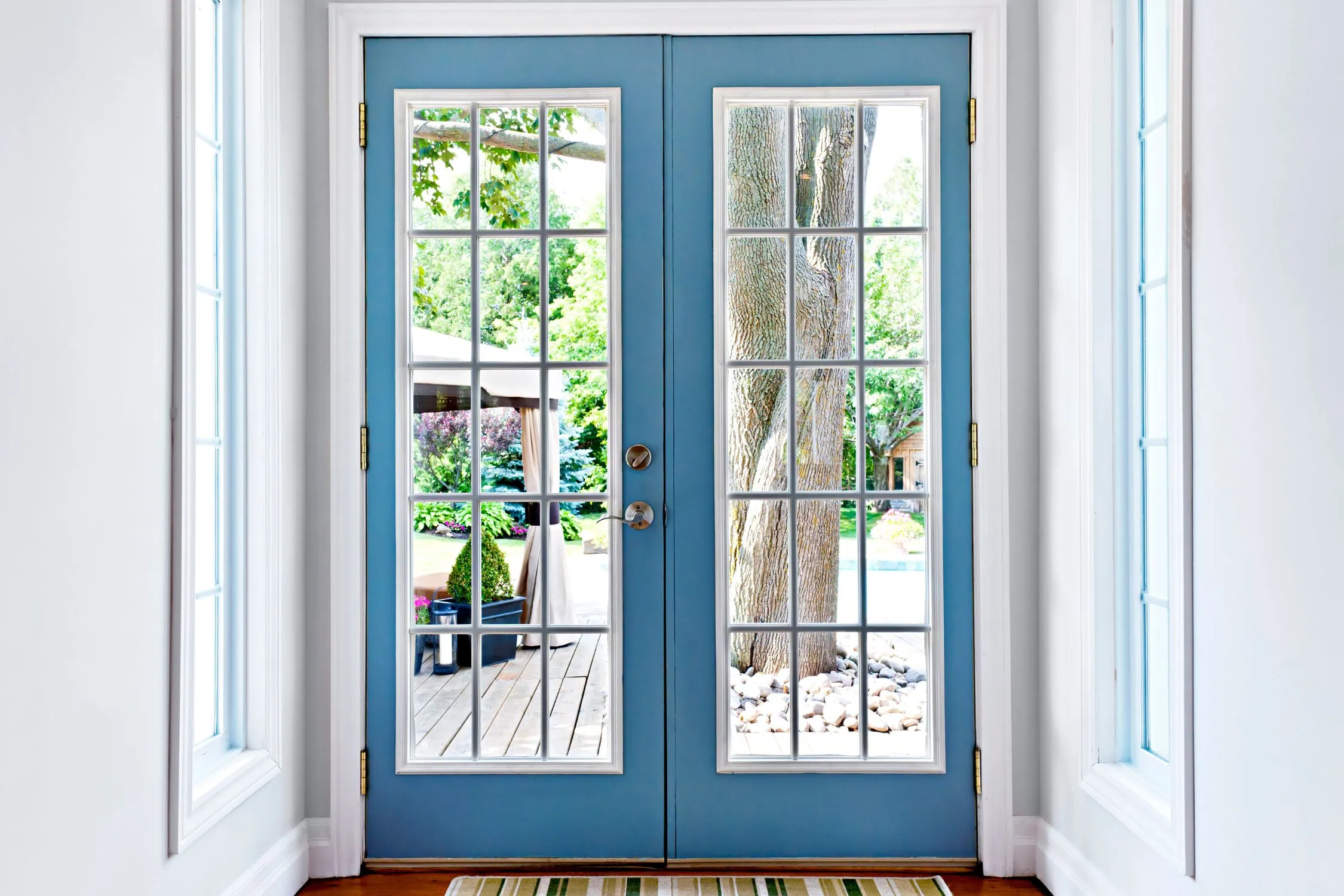
Double Doors
Not sure which double door to choose? Learn about the best types and design options to match your home’s layout, climate, and style.
Replacing windows is one of the most effective ways to improve your home’s comfort, energy efficiency, appearance, and long-term value. Whether you’re replacing a single damaged window or planning a full-house renovation, understanding window replacement cost helps you budget more confidently and avoid surprises later in the project.



The easiest way to estimate the window change cost is by using a window replacement cost calculator. These tools provide you with an approximate price of new windows, factoring in key details like window type, material, size, and installation costs. Here’s how to use one effectively:
Step 1:
Step 2:
Step 3:
By using the calculator, you’ll get a clear estimate of your window replacement cost, making it easier to plan your budget and timeline.


Window replacement cost in Ontario can vary significantly depending on the type of project and the windows selected.
Smaller retrofit replacement windows are generally more affordable, while larger custom windows, brick-to-brick installations, black exterior frames, triple-pane glass, and structural modifications can increase the final cost.
Several things affect pricing, including:
Homes undergoing full renovations often receive better overall pricing per window compared to single-window replacement projects.
Window replacement is often part of a larger home renovation project, especially in older Ontario homes where insulation, drafts, and aging frames become noticeable over time.
Replacing windows during a renovation can sometimes reduce overall installation costs because multiple openings are completed at once. Homeowners also use renovations as an opportunity to upgrade to larger windows, modern black frames, or more energy-efficient triple-pane glass systems.
The total renovation cost depends on:
Understanding what drives the cost of replacing windows helps homeowners make better decisions and compare quotes more accurately.
Larger windows require more materials, larger glass units, and additional labor, which increases overall cost.
Oversized front windows, wide picture windows, and custom-shaped units are typically more expensive than standard bedroom or basement windows.
Different window styles have different manufacturing and installation costs.
Some of the most common replacement window styles include:
More complex styles with larger moving parts or custom shapes usually cost more.
The type of installation has a major impact on pricing and long-term performance.
Retrofit installation places the new window inside the existing frame. This is usually the most budget-friendly option when the original frame remains in good condition.
Brick-to-brick replacement removes the entire old frame and exposes the original rough opening. This method provides better insulation and allows installers to fully inspect the condition of the structure.
Brick-to-brick installations are especially common in older Toronto homes.
Stud-to-stud replacement removes everything down to the framing. This approach is typically used during major renovations or when water damage and structural problems are present.
White is usually the standard and most affordable window color.
Custom exterior colors such as black, bronze, charcoal, or custom paint finishes increase manufacturing costs because the frames and sashes require additional finishing before assembly.
Black exterior windows remain one of the most popular upgrades for modern homes in Ontario.
Glass upgrades affect both energy efficiency and pricing.
Common options include:
Triple-pane glass improves insulation and noise reduction but increases overall cost.
Different window styles come with different price ranges due to materials, hardware, and installation complexity.
Casement windows are one of the most popular replacement options because they provide strong ventilation, excellent energy efficiency, and modern appearance.
Sliding windows are commonly used in bedrooms and basement areas. They are generally more affordable than larger casement systems.
Awning windows are often installed in basements, bathrooms, and modern homes where ventilation and privacy are important.
Bay and bow windows are among the more expensive replacement projects because they involve larger structural openings, multiple window units, and additional finishing work.
Adding a completely new window opening usually costs more than replacing an existing window because structural work is involved.
New window installation may require:
The final cost depends heavily on the wall structure, exterior materials, and window size.
Adding larger windows to bring more natural light into the home has become increasingly popular during renovation projects.
Modern replacement windows can significantly improve insulation and reduce heat loss during Ontario winters.
Energy-efficient features may include:
While energy-efficient upgrades increase upfront cost, they often improve comfort and reduce heating and cooling expenses over time.
Replacing windows is a major investment, and the process usually starts with confirming measurements and discussing installation details.
Here’s what typically happens next:
Window replacement cost depends on window size, style, installation type, glass upgrades, and frame color. Brick-to-brick replacement and custom windows typically cost more than standard retrofit installations.
Sliding windows and standard retrofit windows are usually among the most affordable replacement options.
Brick-to-brick replacement often provides better insulation, allows full inspection of the opening, and improves long-term performance, especially in older homes.
Most standard replacement window installations can be completed within one day, depending on the number of windows and installation complexity.
Yes, triple-pane glass costs more than double-pane glass but improves insulation, comfort, and noise reduction.
Replacing multiple windows at the same time is often more cost-effective than replacing them individually over several projects.
Yes, black and custom-colored windows typically cost more because the frames require additional finishing and manufacturing processes.
The cost depends on structural work, wall type, brick cutting, permits, framing, and finishing requirements. Adding a completely new window opening is usually more expensive than replacing an existing window.
Installation cost depends on accessibility, installation type, structural condition, trim work, and whether brick-to-brick or retrofit replacement is used.
Yes, replacement windows can improve insulation, comfort, curb appeal, and long-term home value while reducing drafts and energy loss.
Blog
See all blog
Not sure which double door to choose? Learn about the best types and design options to match your home’s layout, climate, and style.

Thinking about double front doors with windows? Learn how to match sidelights, transoms, and door styles for balance, privacy, and curb appeal.

Worried your double front doors feel flimsy or drafty? Here's how to reinforce them for better security, alignment, and peace of mind.


If I could give six stars to Andrew, I would. I found his ad on Kijiji and he came for an estimation. He was prompt and professional. The door exceeded my expectations. It was installed in just one day. Instead of 6 weeks, it took short three weeks to make our custom order. Very happy with the result. Highly recommend!
Andrew and his crew were very courteous, polite , efficient and their workmanship is outstanding. Great eye for detail. Very happy with our new door. A Big Thank you to all.
A fabulous, professional, installation. Wonderful people completed the job on time. Can't wait to get 2 more Windows replaced!
We changed 2 doors : entry door and the glass on the second floor. Thank you Andrew and his team for high quality and fast job. I'd recommend everyone to use Andrew's service. Thank you so much!
I am really happy with my door installation by Andrew. This is my second time using Window Man and as usual a quality job, quality materials and competitive pricing.
We have a custom door installed. it looks and fits exceptionally. I am very happy with everything. Very fast work and amazing quality!
Andrew installed the entry door for my house. Excellent quality job. I am very happy with my new door.Highly recommend him.
Quick and simple process, from order to installation. We love our new doors. Delivery was earlier than expected. Andrew thank you for the great service.
Thank you Andrew. Excellent job at competitive prices! I love it!


— Anastasia