








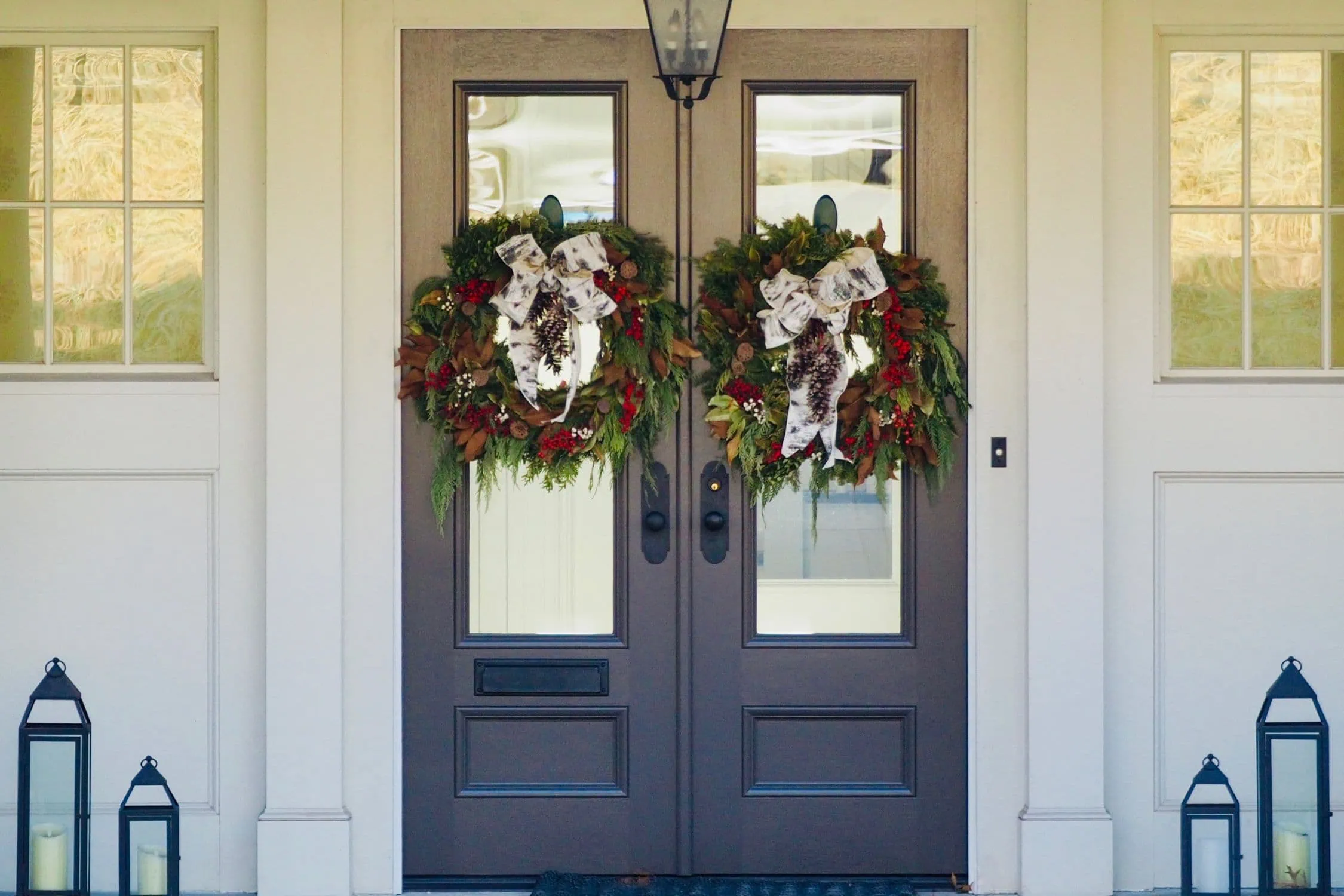
Double Doors
What is a double door, and why choose one? Discover types, benefits, and expert tips to help you decide if double doors are right for your home or project.
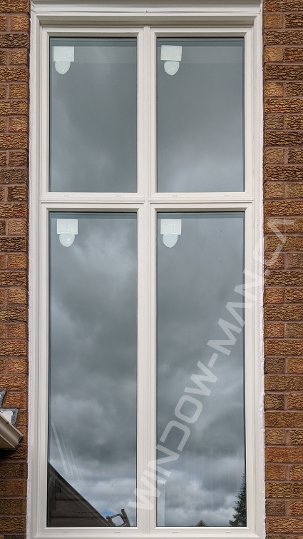
Living room windows usually have the biggest impact on the main floor. They bring in light, shape the view, and often become one of the main design features on the front or back of the house.
This is also the room where window size matters the most. A well-sized living room window can make the space feel brighter and more open, while an old or poorly placed window can make the room feel dark, cold, or unfinished.


The cost of replacing a living room window depends on more than just the width and height of the opening. A large fixed picture window will usually be priced differently from a combination with several operating sections, while bay and bow windows involve a more complex structure and installation.
The main factors that affect the price include:
You can use the calculator above with the approximate size of your existing opening to get started.
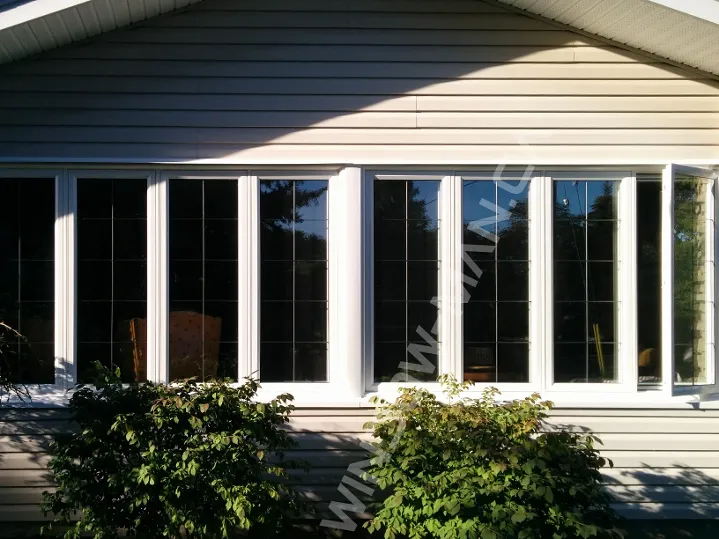
Living room windows do more than bring in natural light. They affect how the house looks from the street, how comfortable the room feels, and how the space works every day.
The main benefits are:
The goal is not always to install the biggest window possible. The best living room windows are the ones that fit the wall, suit the house, and still make sense for privacy, furniture placement, sunlight, and everyday use.
There is no single layout that works for every living room. The best design depends on the width of the wall, the view outside, how much ventilation you want, and the style of the house.
Some common living room window ideas include:
You do not necessarily need to replace an old window with exactly the same configuration. In many cases, the opening can stay the same while the arrangement of fixed and operating sections is changed to improve the view, ventilation, or appearance.
Living room windows replacement is one of the most noticeable upgrades on a house.
Old living room windows often become drafty, cloudy, hard to open, or simply outdated. Replacing them can improve the comfort of the room and change how the whole front of the home looks from outside.
In many homes, the living room window is the main visual feature on the front wall. That is why proportions matter. A window that is too small can make the room feel closed in. A window that is too large or poorly divided can look awkward from the street.
When replacing living room windows, it is worth thinking about the full layout, not just the glass size.
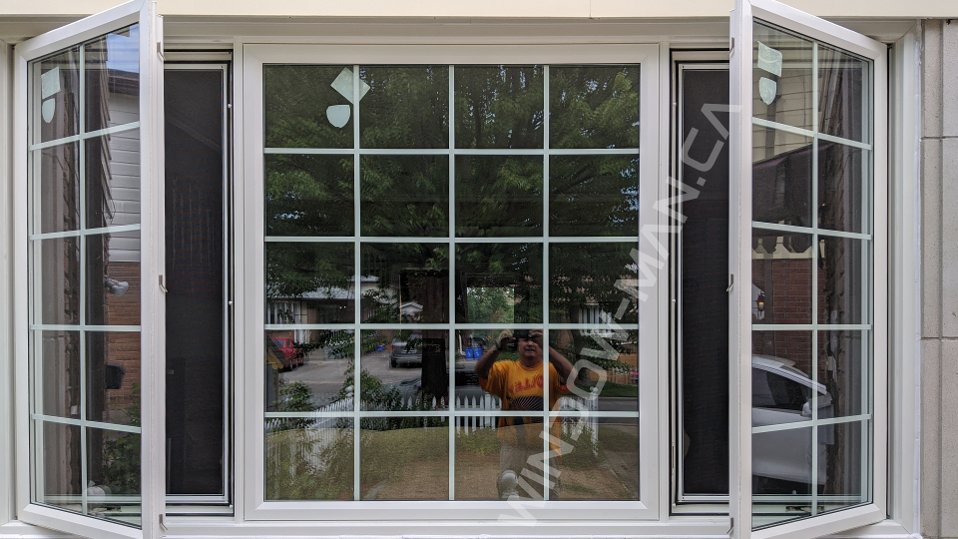
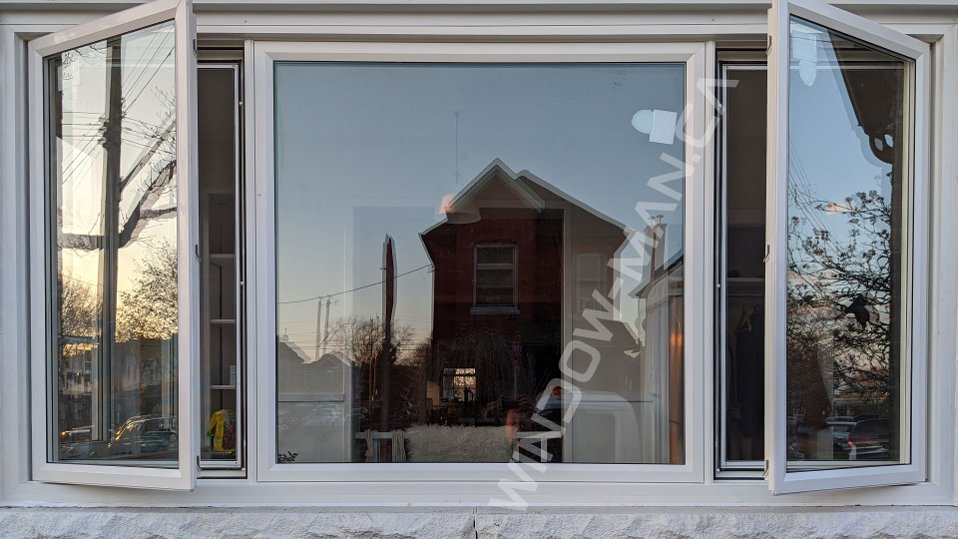
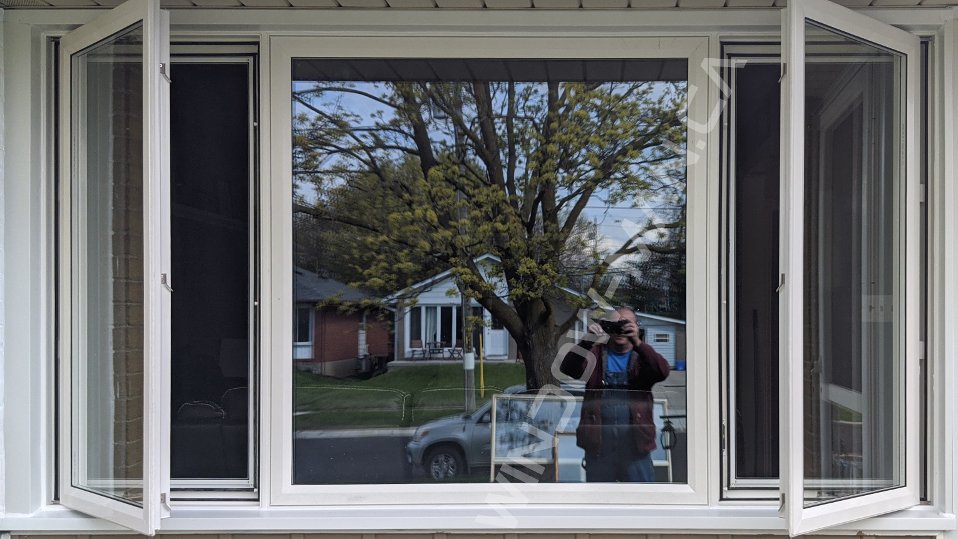
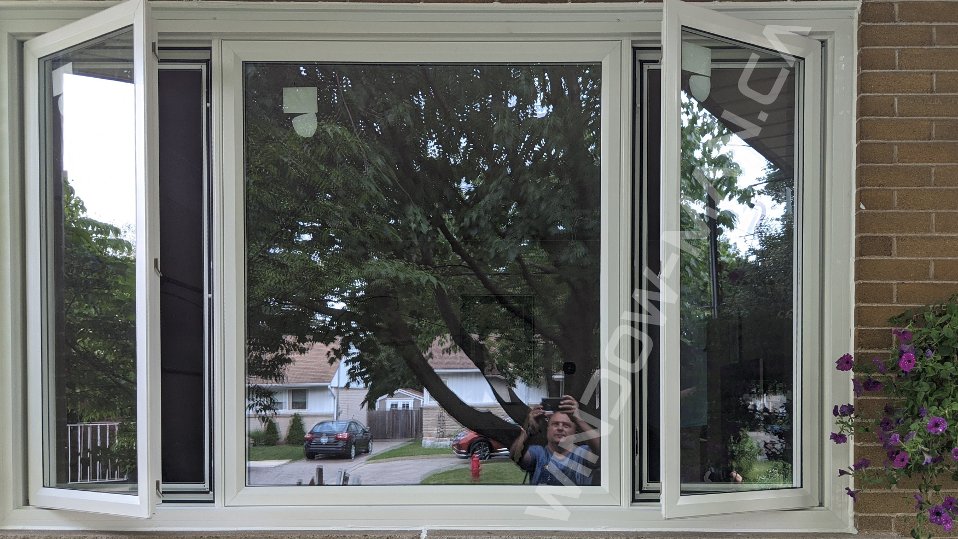
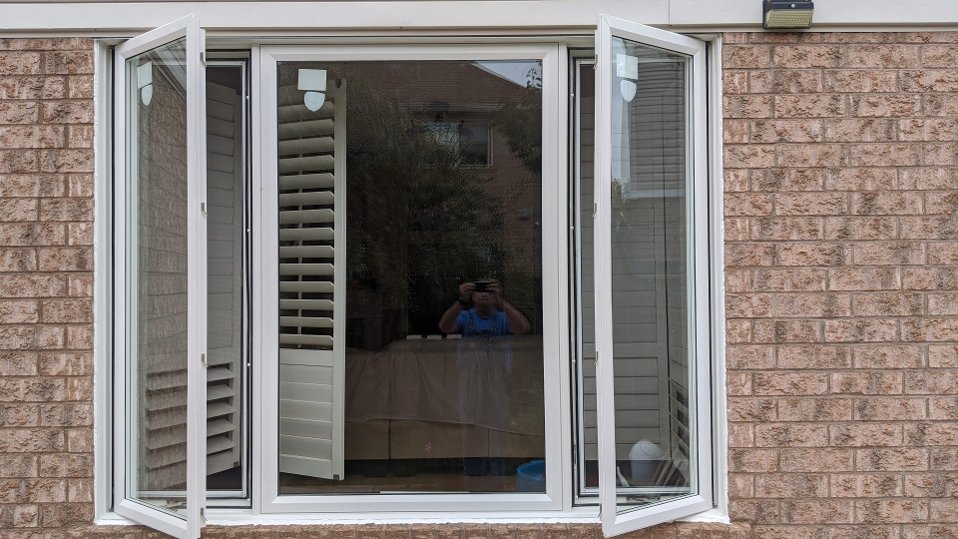
You also do not always have to keep the same window configuration. For example, an older sliding window can sometimes be replaced with a large fixed centre window and casements on the sides while keeping the existing opening.
If you want the entire opening to become larger, that may also be possible depending on the home. Enlarging a window opening is a more involved project because the wall structure, exterior finish, and interior finishing may all need to be modified.
Large living room windows are a good choice when the room needs more daylight or a stronger connection to the outside.
They work especially well on homes with:
Large windows in living room areas can make the space feel bigger, but they need to be planned properly. Too much direct sun can make the room hot. Too much clear glass facing the street can reduce privacy.
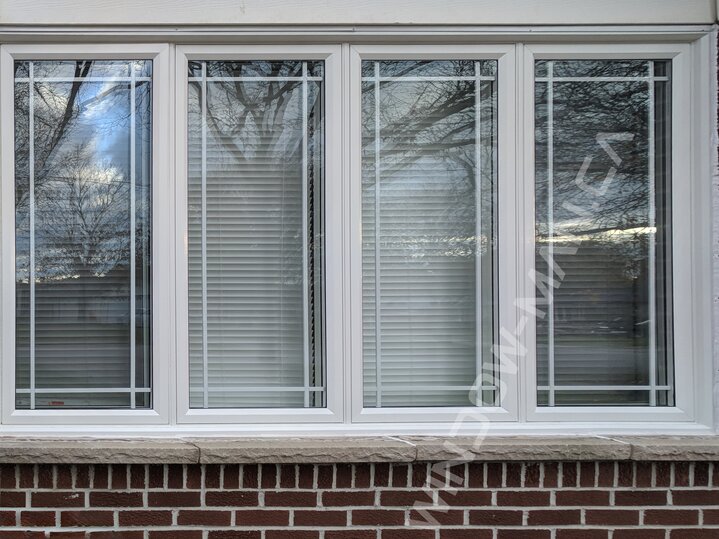
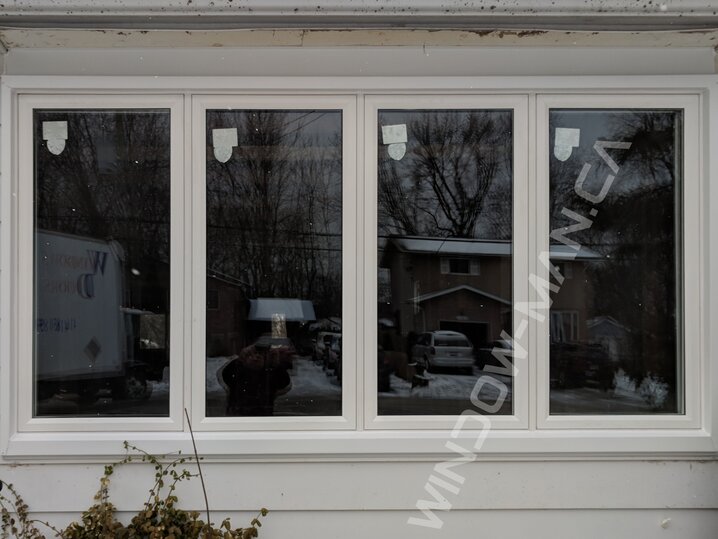
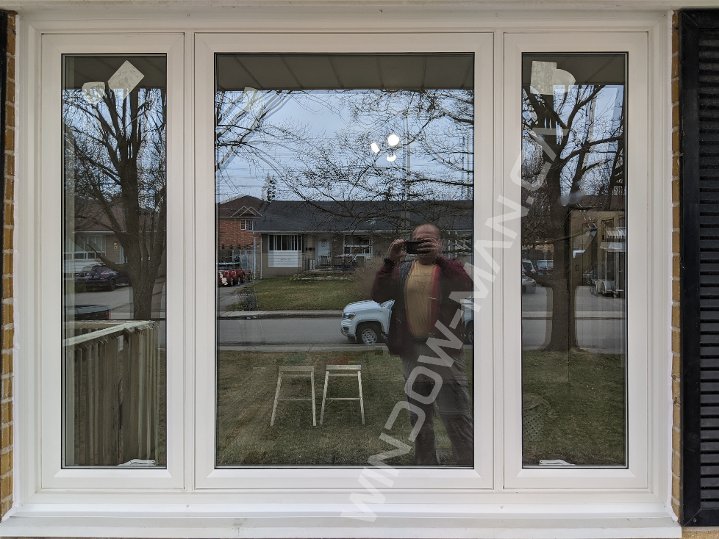
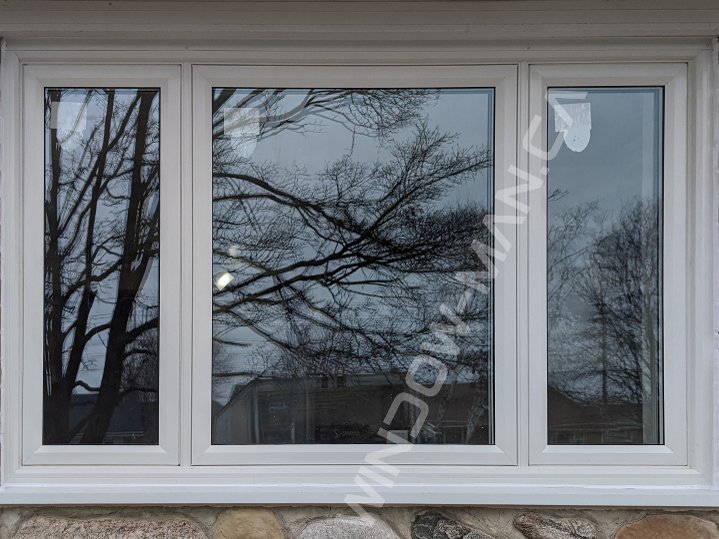
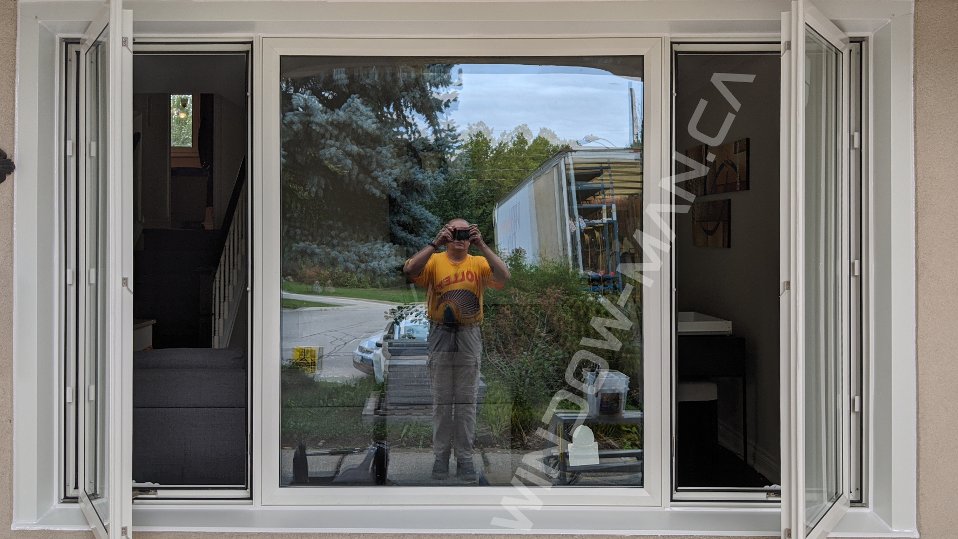
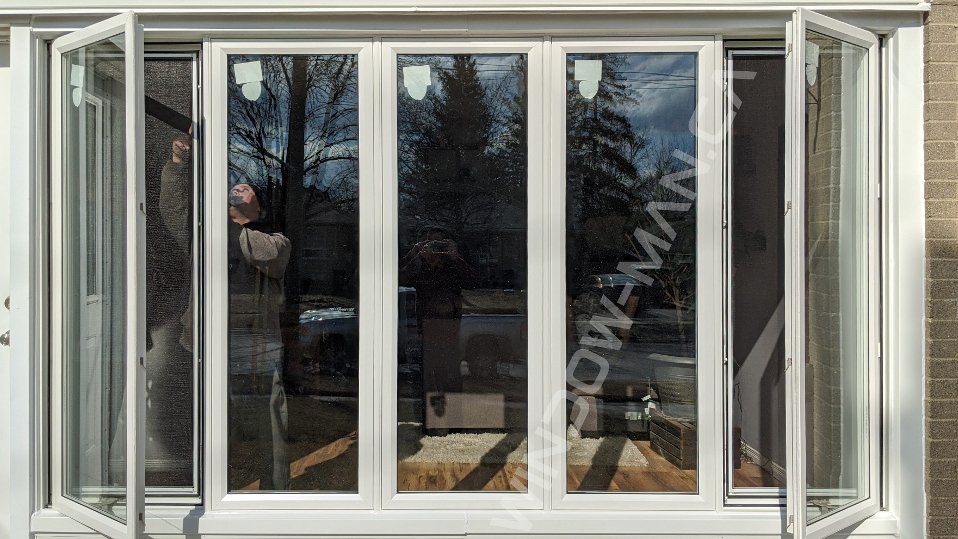
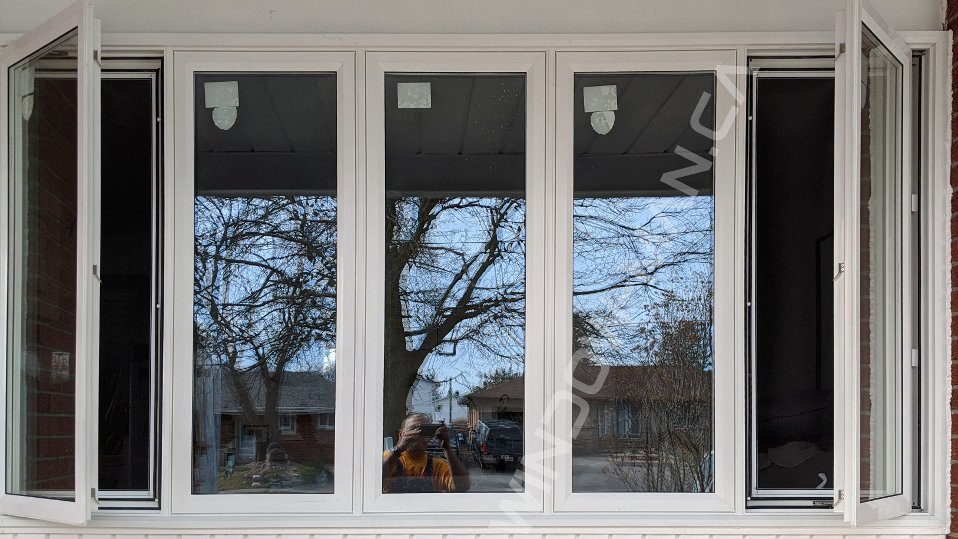
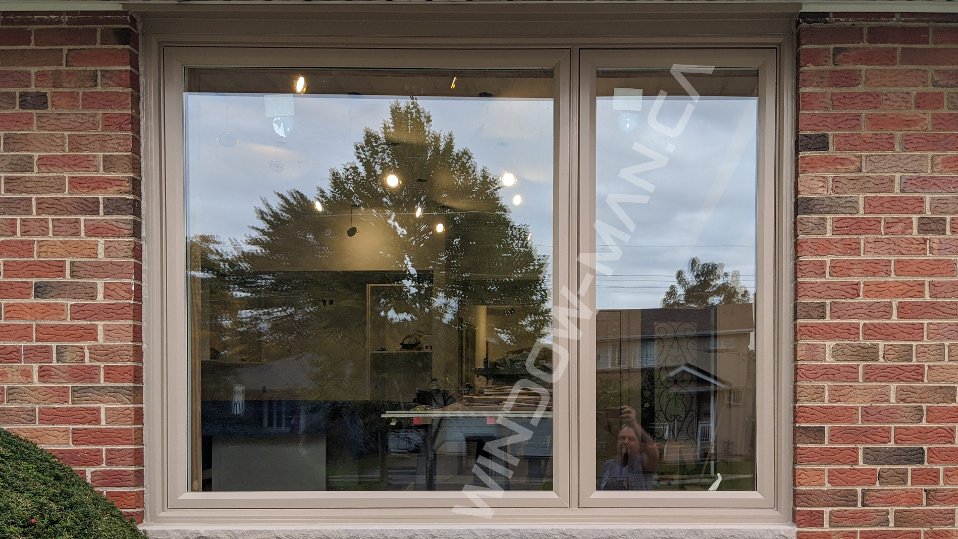
A large picture window with smaller operating windows on the side is often a smart balance.
Big windows for living room spaces are not just about size. They are about proportion.
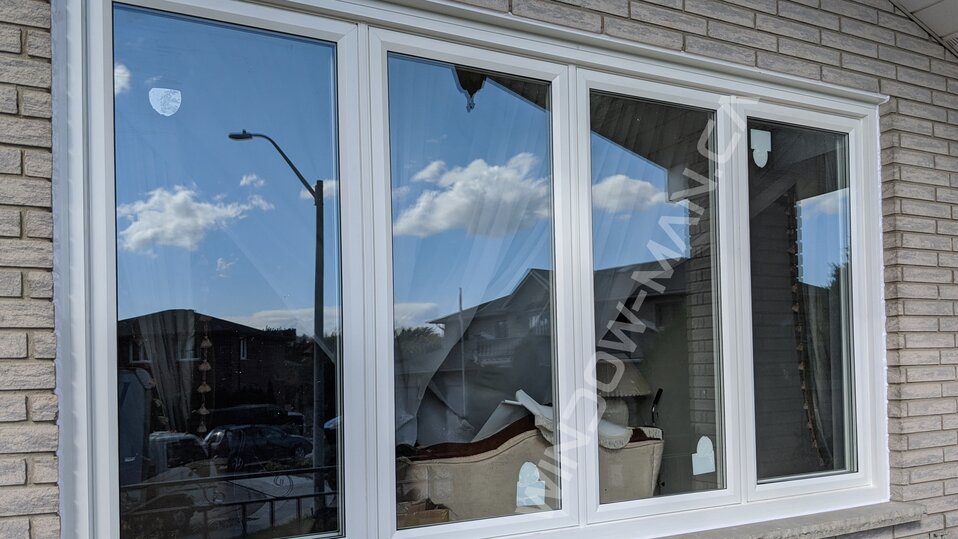
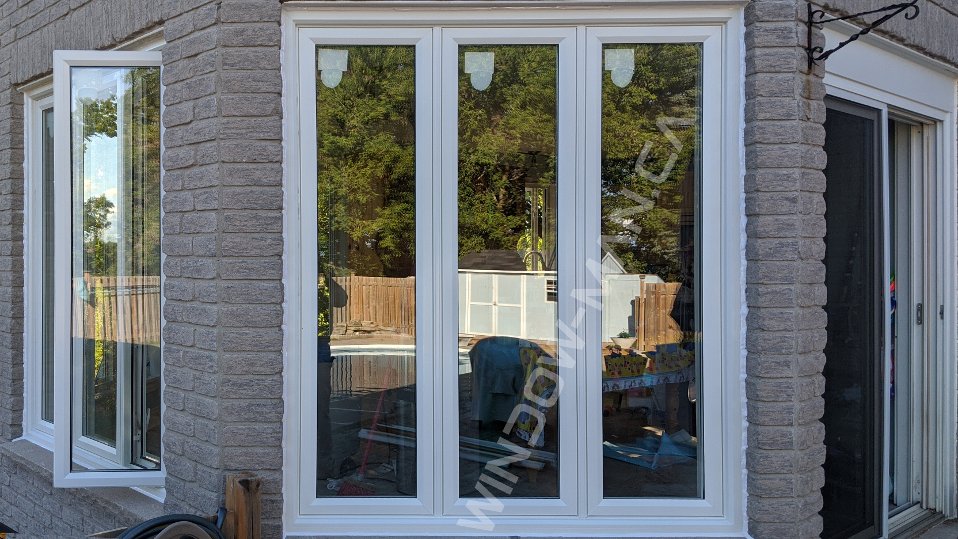
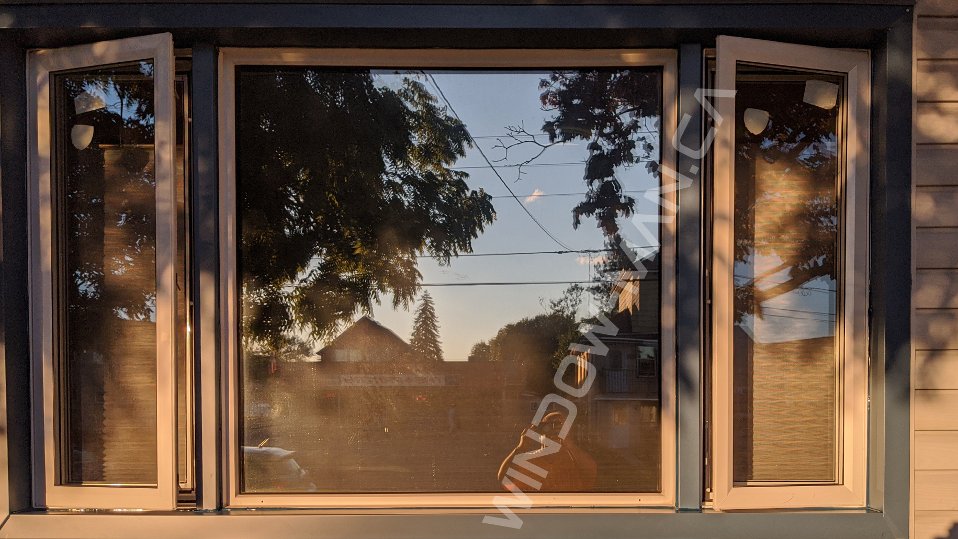
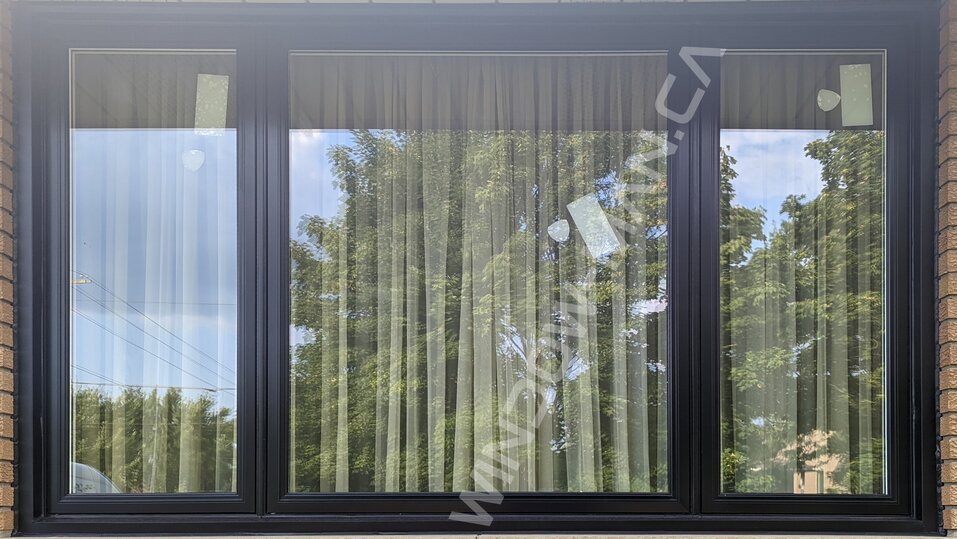
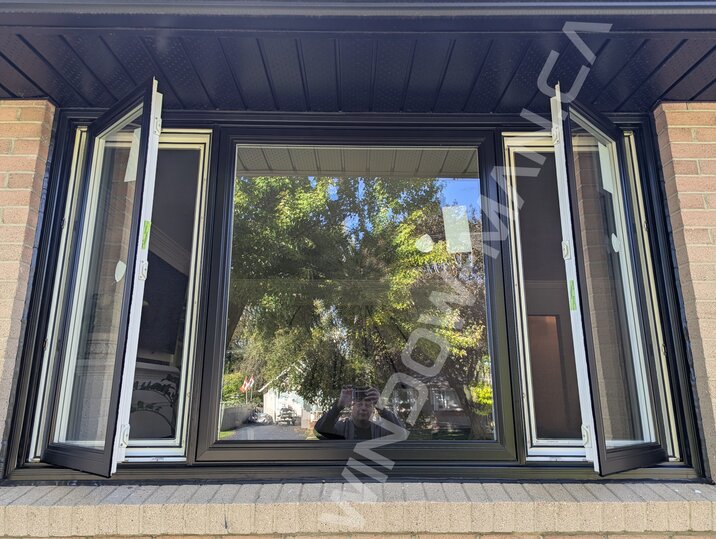
A wide fixed window can look clean and modern. A picture window with casements on the side gives you a large view plus ventilation. A bay or bow window adds depth and makes the room feel larger from inside.
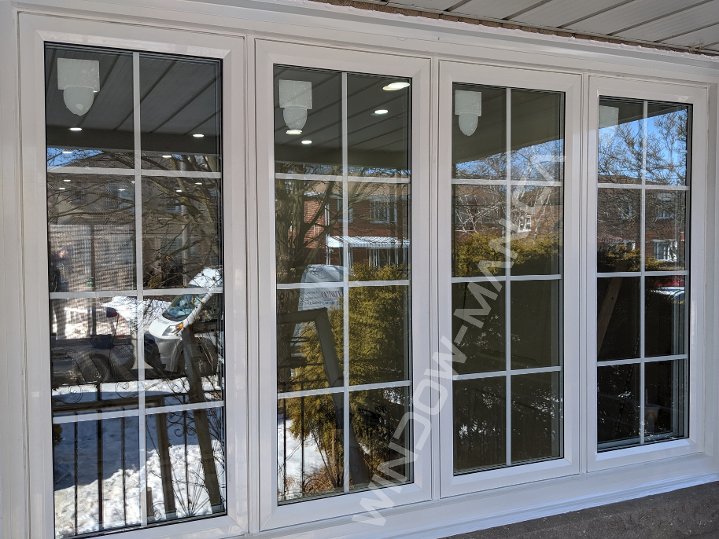
Big windows in living room areas work best when they line up with the style of the house. On a modern home, clean black frames may look sharp. On a more traditional home, white frames, grills, or a bow window may feel more natural.
The window should improve the room without making the front of the house look unbalanced.
Modern living room windows are usually simple: more glass, cleaner lines, and fewer small divisions.
That can mean:
Black windows in living room areas have become very popular because they outline the opening and add contrast to the exterior. They work especially well with brick, stone, stucco, and modern siding.
Still, modern does not always mean black. Sometimes the cleanest option is a simple white vinyl window with the right shape and size.
Living room windows size depends on the wall opening, ceiling height, exterior design, and how the room is used.
A small living room does not always need a small window. Sometimes a larger window makes the room feel much better. At the same time, going too large can create issues with privacy, heat, furniture placement, or exterior balance.
Before choosing the size, it helps to think about:
The right size should feel natural from both inside and outside.
There is no single standard living room window size that works for every home. When replacing an existing window, the new unit is often made to fit the current opening. If you are changing or enlarging the opening, the wall width, ceiling height, room layout, exterior proportions, and structural requirements all need to be considered together.
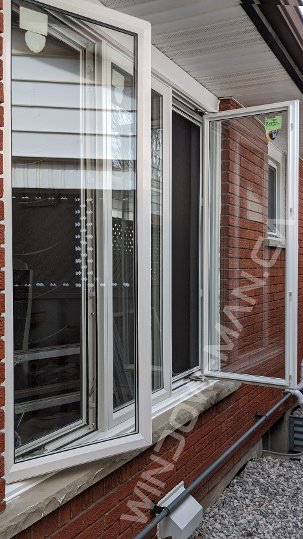
Not every living room window needs to open, but having at least one operating section is usually a good idea.
Living room windows that open can help with fresh air, especially during spring and fall when you do not want to rely on heating or air conditioning.
Common options include:
A fixed centre window with operating side windows is one of the most practical living room combinations. You get the big view in the middle and ventilation where it makes sense.
When choosing a living room window, it helps to decide what matters most in the room instead of focusing on one style or size first.
If your priority is natural light and a clear view, a large picture or fixed window is usually the simplest option.
If you want fresh air, casement or sliding sections can be added to the design.
For a street-facing living room, privacy may be just as important as the amount of glass. The size and position of the window should work with the distance from the street and how the room is used.
If the window receives a lot of direct afternoon sun, glass performance and the overall amount of glazing become more important for comfort.
Furniture should also be considered. The location of a sofa, TV, fireplace, or built-in cabinetry can affect how tall or wide the window should be.
Finally, look at the window from outside. A living room window is often one of the largest openings on the front of the house, so its proportions and divisions should make sense with the rest of the exterior.
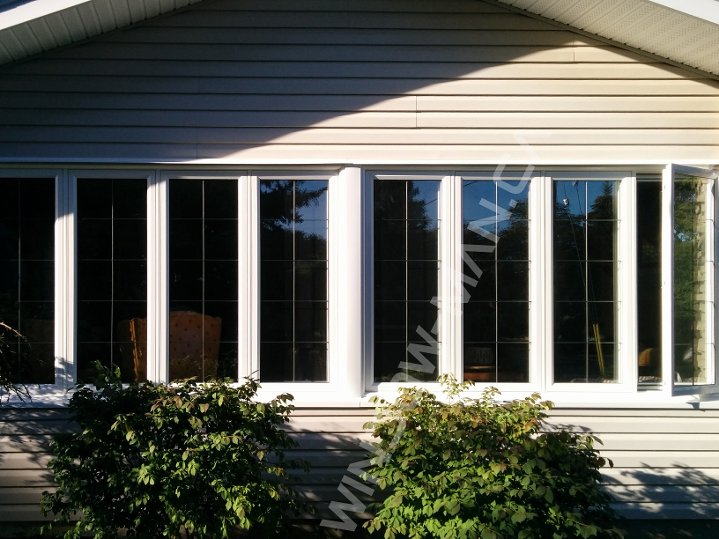
Living room bow windows are a classic option when you want the window to become a feature of the room.
A bow window projects outward from the wall and creates a softer, rounded look compared to a flat picture window. It brings in light from different angles and can make the living room feel larger.
Bow windows work especially well on traditional homes, brick houses, and front-facing living rooms where curb appeal matters.
They are usually more expensive than standard flat windows, but they can completely change the feel of the room.
The best windows for living room areas depend on what you want the room to do.
If you want the biggest view, a picture window or fixed window combination usually works best. If you want airflow, add casement or sliding sections. If you want more character, a bay or bow window may be the better choice.
For most homes, the best living room window is not the most complicated one. It is the one that gives you the right mix of light, view, ventilation, energy efficiency, and curb appeal.
A simple, well-sized window often looks better than an oversized design that does not match the house.
The best living room windows depend on the size of the wall, the view, and whether you want ventilation. Picture windows are great for a large clear view, while casement or sliding sections can be added if you want the window to open. Bay and bow windows are good when you want the window to become a feature of the room.
Blog
See all blog
What is a double door, and why choose one? Discover types, benefits, and expert tips to help you decide if double doors are right for your home or project.

Thinking about double front doors with windows? Learn how to match sidelights, transoms, and door styles for balance, privacy, and curb appeal.
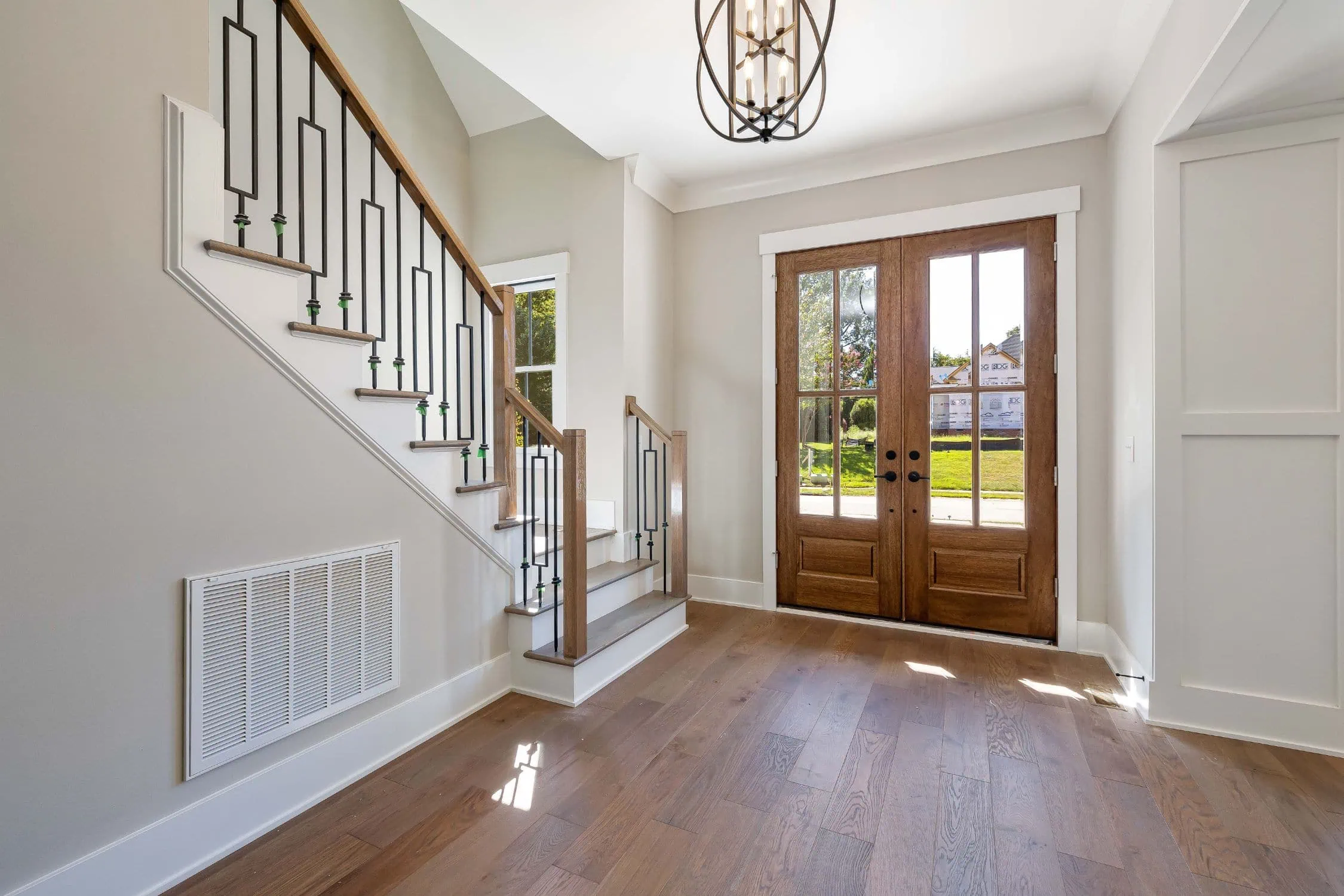
Confused about the difference between French doors vs double doors? Learn how they compare in style, security, cost, and insulation.


If I could give six stars to Andrew, I would. I found his ad on Kijiji and he came for an estimation. He was prompt and professional. The door exceeded my expectations. It was installed in just one day. Instead of 6 weeks, it took short three weeks to make our custom order. Very happy with the result. Highly recommend!
Andrew and his crew were very courteous, polite , efficient and their workmanship is outstanding. Great eye for detail. Very happy with our new door. A Big Thank you to all.
A fabulous, professional, installation. Wonderful people completed the job on time. Can't wait to get 2 more Windows replaced!
We changed 2 doors : entry door and the glass on the second floor. Thank you Andrew and his team for high quality and fast job. I'd recommend everyone to use Andrew's service. Thank you so much!
I am really happy with my door installation by Andrew. This is my second time using Window Man and as usual a quality job, quality materials and competitive pricing.
We have a custom door installed. it looks and fits exceptionally. I am very happy with everything. Very fast work and amazing quality!
Andrew installed the entry door for my house. Excellent quality job. I am very happy with my new door.Highly recommend him.
Quick and simple process, from order to installation. We love our new doors. Delivery was earlier than expected. Andrew thank you for the great service.
Thank you Andrew. Excellent job at competitive prices! I love it!


— Anastasia