


Double Doors
Worried your double front doors feel flimsy or drafty? Here's how to reinforce them for better security, alignment, and peace of mind.
Basement windows are usually smaller than windows on the main floor, but they still make a big difference. They bring in daylight, give you ventilation, and help a basement feel more like part of the house instead of a dark lower level.
The right basement window depends on how the space is used. A laundry room, finished family room, workshop, and basement bedroom can all need something different.
Browse all vinyl windows.


The cost of replacing a basement window depends on the window size, style, glass package, and how difficult the opening is to access.
A small fixed basement window will usually cost less than an operating slider, casement, or awning window. The price can also change if the opening needs repair, the window well creates difficult access, or the existing window is set into older concrete or masonry.
The main factors that affect the price include:
You can use the calculator above with the approximate size of your existing basement window to get started.

Basement window replacement is worth considering when the existing window is drafty, leaking, difficult to open, fogged between the panes, or simply too old to seal properly.
Older basement windows are often one of the weakest points in the house. Because they sit close to ground level, they deal with moisture, snow, dirt, and changing temperatures year after year.
Replacing them can improve:
If the existing opening is in good condition, replacement can be fairly straightforward. If the frame, concrete, or masonry around it is damaged, that needs to be dealt with as part of the installation.
Basement window sizes vary a lot from house to house.
Older homes often have short, wide openings close to the ceiling. Finished basements may have larger windows, while newer homes can be designed with bigger openings and deeper window wells from the start.
When looking at basement window dimensions, think about:
There is no single basement window size that works everywhere. The existing opening is usually the best starting point unless you are planning to enlarge it.
The best basement window depends on what you need from it.
Common options include:
For a utility room, a simple slider or fixed window may be enough. For a finished basement, you may want a larger glass area and a cleaner look.
The important thing is not to choose a style just because it fits the opening. Think about whether you actually want ventilation, how easy the window will be to reach, and how the room is used.
Basement window installation can be different from replacing windows on the rest of the house.
The opening may be surrounded by poured concrete, concrete block, brick, or older framing. Exterior access can also be tighter because of window wells, landscaping, decks, or grade level.
A proper installation needs to pay attention to:
Basement windows sit close to moisture and ground level, so sealing them properly matters.
A good window installed badly can still become drafty or allow water in.
One of the biggest problems with basements is simply that they feel dark.
A larger basement window can make a noticeable difference, especially in a finished family room, office, gym, or bedroom. Even replacing an old window with a cleaner frame and more usable glass area can make the room feel brighter.
If the existing opening is small, there are still ways to improve the result:
Basement windows do not need to be huge to be useful. A small increase in glass area can make more difference than people expect.
A basement bedroom window needs more thought than a window in a storage or utility room.
Besides light and ventilation, there may also be local requirements for emergency escape and the size or operation of the window.
If a basement room is being used as a bedroom, the window opening, window style, and window well should be checked before ordering a replacement.
This is one situation where simply matching the old basement window size may not be the right approach.
Local requirements can vary, so the opening should be reviewed as part of the project rather than assumed to be suitable.
Basement windows in Toronto and older GTA homes can be very different from one property to the next.
Some houses have original small metal or wood windows set directly into masonry. Others have already been renovated with vinyl sliders or larger openings.
The age of the house matters because the opening, foundation, window well, and surrounding exterior can all affect how straightforward the replacement will be.
For older homes especially, it is worth checking the actual opening before assuming that a standard basement window size will fit.
Basement windows prices depend on more than width and height.
A basic fixed window will normally cost less than an operating window, while custom sizes, upgraded glass, difficult access, or changes to the opening can increase the price.
The main price factors are:
If the opening does not need structural changes, replacing a basement window can be a relatively simple project. If it needs to be enlarged or repaired, the installation becomes more involved.
Choosing basement windows starts with how the basement is actually used.
If it is mostly storage, a simple window may be enough. If it is a finished living space, light, ventilation, appearance, and comfort become more important. If it is a bedroom, the requirements may be different again.
Start with the existing opening, decide whether the window needs to open, and think about how much daylight the room needs.
Basement windows are usually not the most noticeable windows on the house, but downstairs they can completely change how the space feels.
Basement windows should be replaced when they are drafty, leaking, difficult to open, fogged between the panes, damaged, or no longer sealing properly. Replacement can also improve natural light, ventilation, comfort, and energy efficiency.
Blog
See all blog
Worried your double front doors feel flimsy or drafty? Here's how to reinforce them for better security, alignment, and peace of mind.
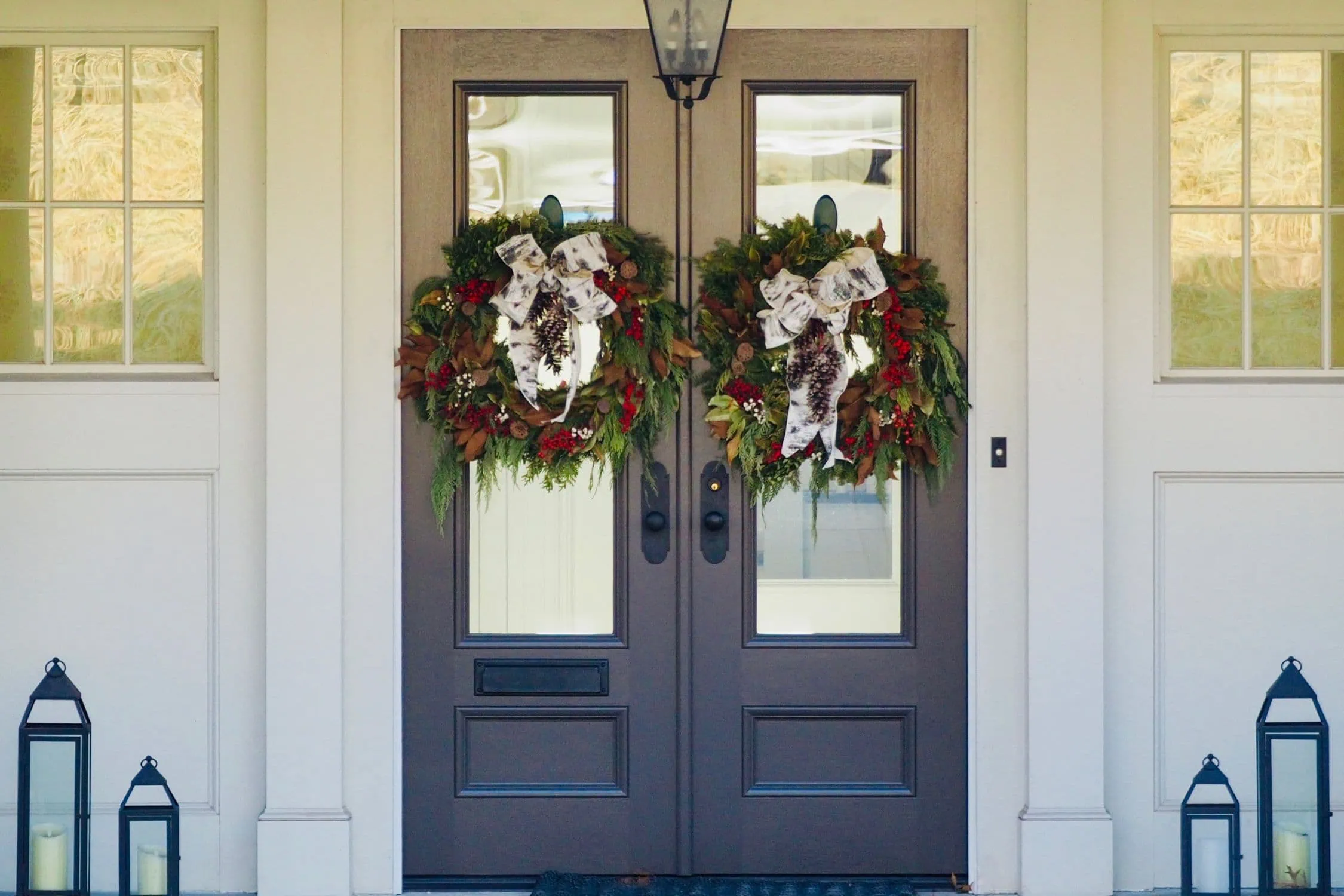
What is a double door, and why choose one? Discover types, benefits, and expert tips to help you decide if double doors are right for your home or project.
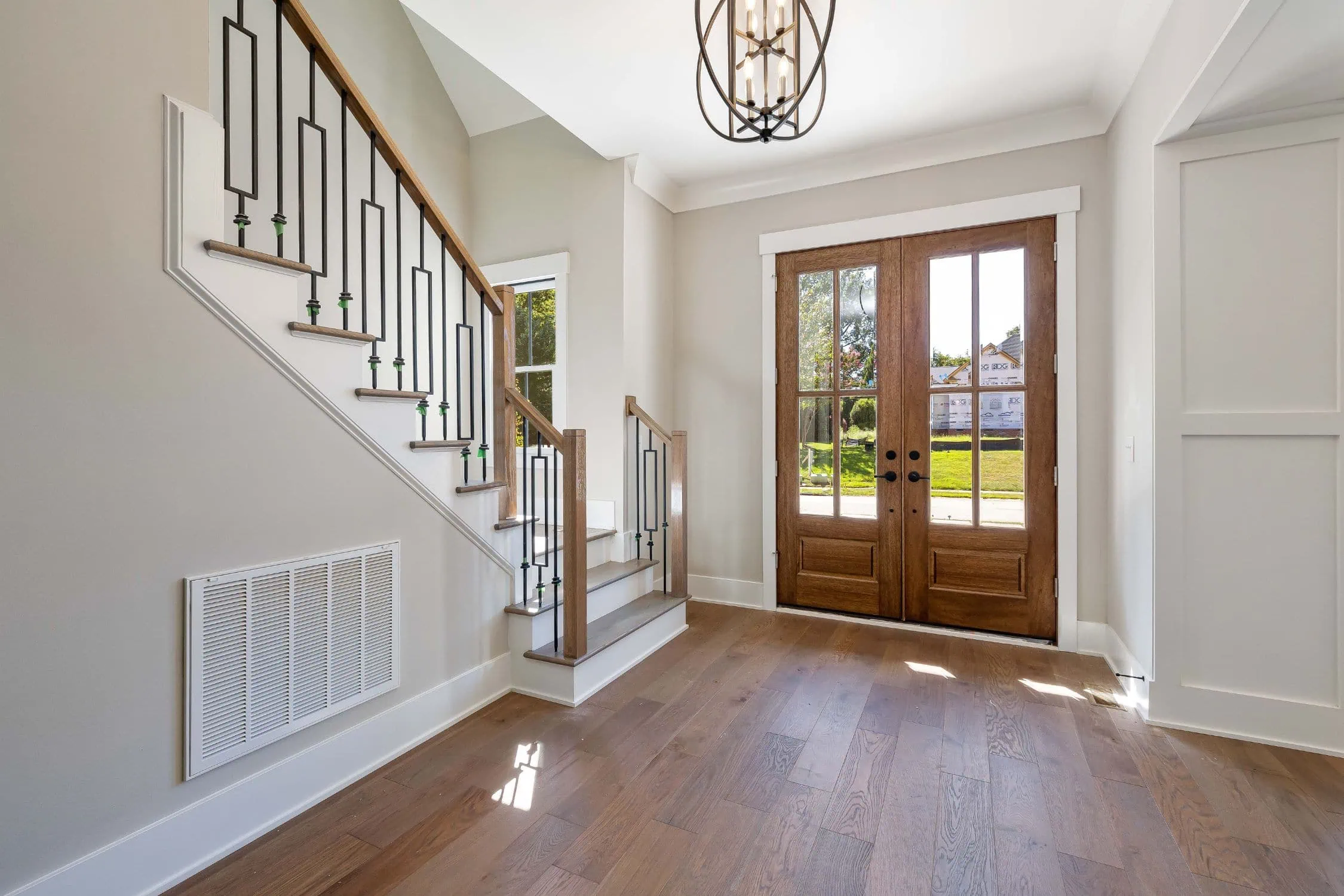
Confused about the difference between French doors vs double doors? Learn how they compare in style, security, cost, and insulation.


I am using Window Man for many years and never had a chance to wright a review. Andrew is a real professional, every time he fulfilled his promises and compete the job with smile. Definitely will use his service for next project. Thank you Andrew.
Andrew is extremely professional, fast and efficient. He was accommodating with our very busy schedule. His work and service is second to none. Thank you, Andrew we could not be happier with our new doors.
I decided to give the Window Man a try when I found them online and read the great reviews! I was thrilled when Andrew said he could get my windows installed in just 3 weeks. Andrew and his team arrived exactly when they said they would and finished the job quickly and professionally! This is the 4th window company I've dealt with in 10 years and I can honestly say this is the first time I've had no issues! I will definitely be using them again.
I have used Andrew in the past and it was such a good experience that when I was renovating my Daughters new house we ordered all the windows and doors from him !! He was so patient with all the delays and so helpful with the decisions . I saw a bad review on here and couldn't believe it !! This must be a competitor !! In my experience there is no way Andrew would ever take a deposit and not show up !! It doesn't even make sense , that is the bad part of reviews ! I saved a bundle buying from Andrew and I got top quality work and if I could give a 10 I would !! Thank you Andrew.
Love our new door so much. After doing much research..price could not be beat. Andrew is very honest and takes his time to ensure a good job. Very happy.
Andrew and his crew replaced all of our 20 windows in 2 days. Very well priced. Quality work. Showed a lot of care to make sure that we were very satisfied. Thank you.
Window man was absolutely amazing. He went above and beyond, from his suggestions and great communication skills. I would highly recommend to anyone that is looking to get any windows or doors installed..you will not be disappointed and the prices cant be beat! Thank you, we will be in touch soon for our next job 🙂
Windows were installed on time Great professional work Thank you Window Man
Andrew recently replaced our side entrance door and I would highly recommend him for professionalism, honesty, reliable and also reasonably priced. The door was installed sooner than expected as well.


— Anastasia