








Double Doors
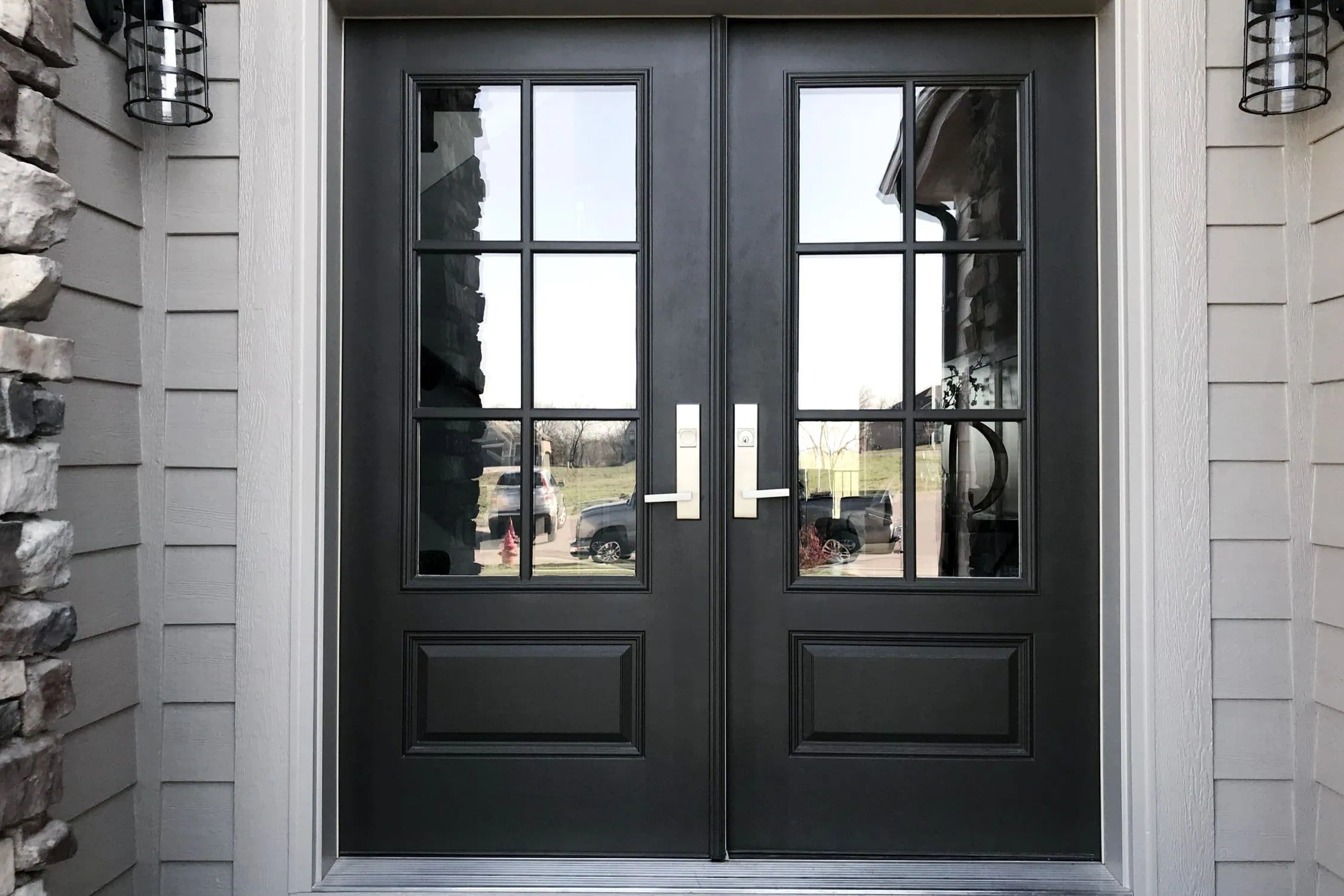
Wondering if double doors are right for your home? Discover the pros and cons of double front doors based on 20+ years of installation experience.
Kitchen windows have to do more than look good. They bring in light, help with ventilation, and often sit in one of the most used areas of the house — above the sink, beside the cabinets, or near the breakfast area.
A good kitchen window can make the room feel brighter and more open. A bad one can be hard to reach, hard to open, or awkwardly placed behind counters and fixtures.
Browse all vinyl windows.


The cost of replacing a kitchen window depends on the size, style, and how easy the window is to access during installation.
A small fixed kitchen window will usually cost less than a casement window over the sink, because operating hardware, glass options, and installation details all affect the price. Bay windows, larger openings, black frames, and custom grille patterns can also change the final cost.
The main factors that affect the price include:
For many homes, the kitchen window is not the largest window in the house, but it can be one of the trickiest to replace because of cabinets, counters, faucets, and tile around the opening.
You can use the calculator above with the approximate size of your existing kitchen window to get started.
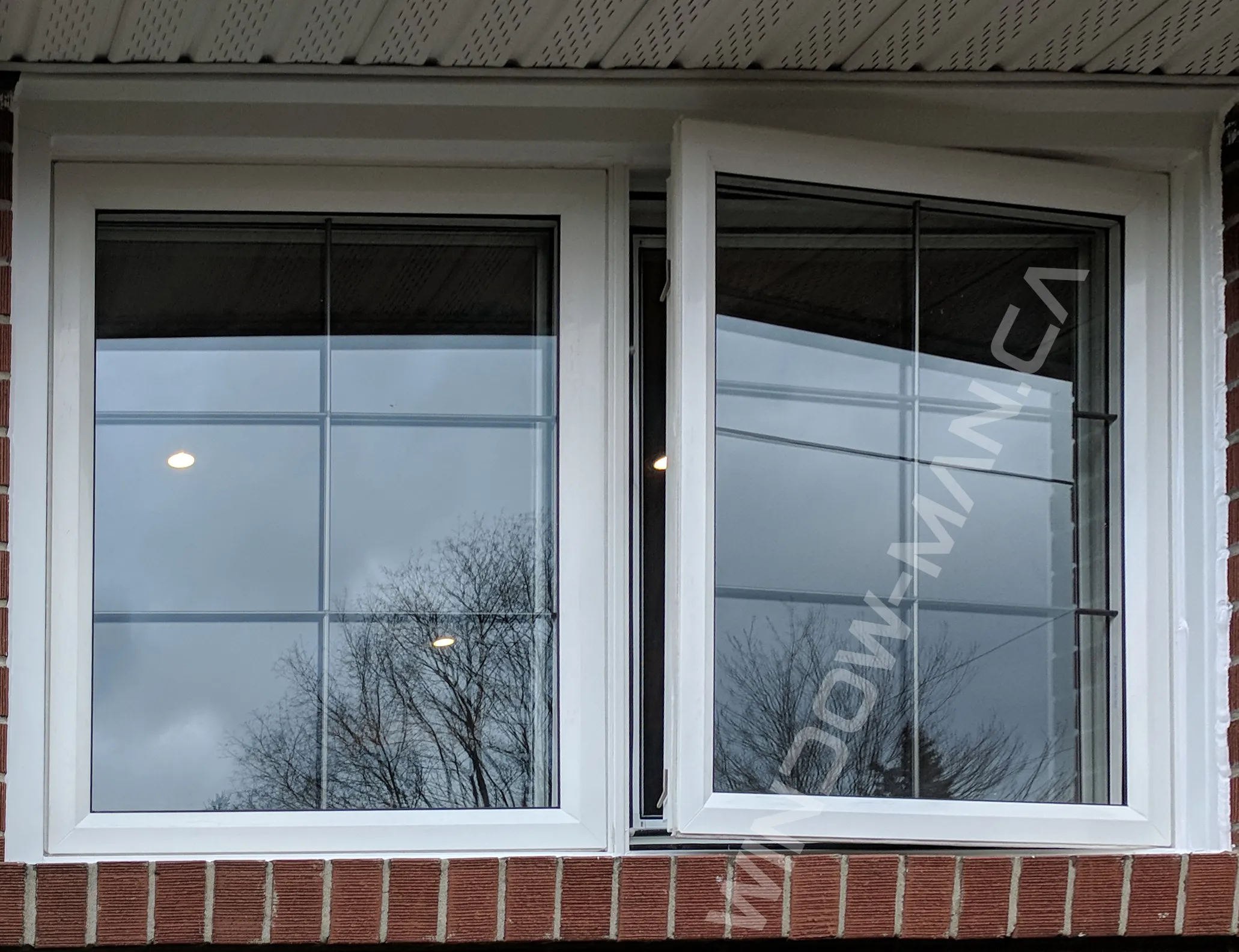
Kitchen windows are different from living room or bedroom windows because they have to work around cabinets, countertops, sinks, backsplashes, and daily use.
The main benefits are:
The best windows for the kitchen are usually simple and practical. They should be easy to open, easy to clean, and sized properly for the space.
Kitchen windows over sink areas are one of the most common setups.
They bring light right where it is needed and make the sink area feel less closed in. The main thing is choosing a window that is easy to operate from across the counter.
Casement windows are often a good choice because the crank is easier to reach than lifting a heavy slider or hung window. Fixed windows can also work if you only need light and view, not ventilation.
For many homes, the sink window becomes the main kitchen window, so size and placement matter.
There are many kitchen window ideas online, but not all of them make sense in real homes.
The best ideas are usually the practical ones:
A kitchen with windows feels better when the glass is placed where it actually improves the room, not just where it looks good in photos.
Modern kitchen windows usually have cleaner lines, larger glass areas, and fewer divisions.
That can mean black frames, slim-looking casement windows, simple fixed windows, or larger glass over the sink or dining area.
Modern does not always mean oversized. In many kitchens, a simple white vinyl window with the right proportions looks cleaner than a large window that fights with the cabinets.
The goal is to make the kitchen feel lighter and sharper without making the window look out of place from the outside.
Small kitchen windows are common in older homes, side walls, basement kitchens, and spaces where cabinets limit the opening size.
A small kitchen window can still work well if the style is chosen properly. Awning windows, small casements, and fixed windows are all good options depending on the location.
If privacy matters, frosted glass or a higher window placement can help. If ventilation matters, an awning or casement window usually makes more sense than a fixed unit.
Small does not have to mean useless. It just needs to be planned better.
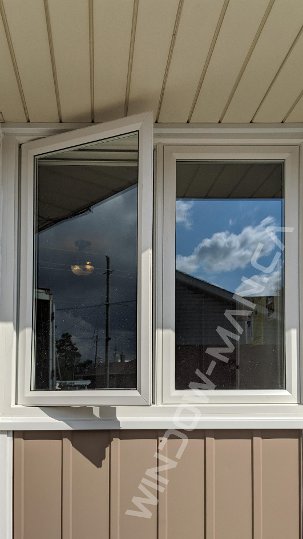
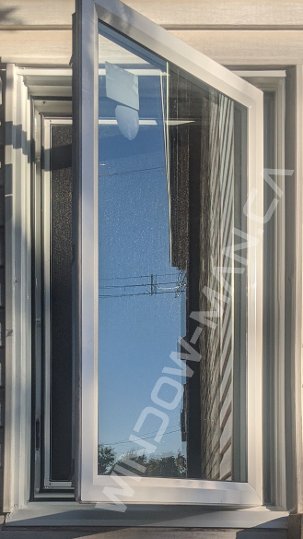
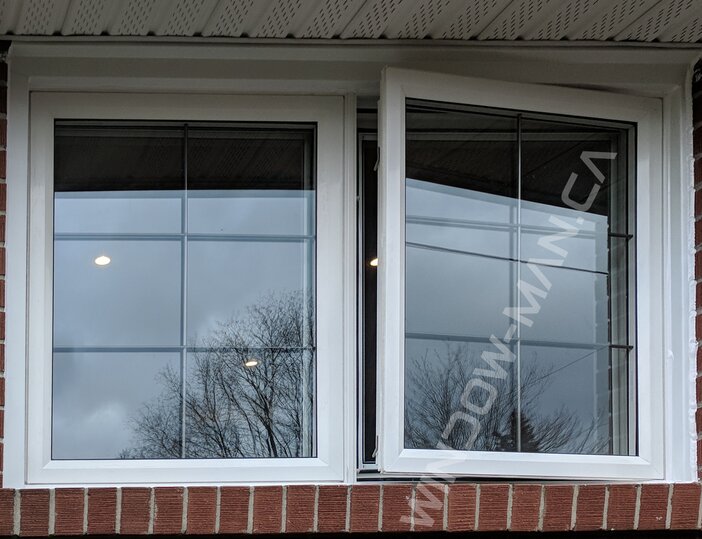
A kitchen casement window is one of the most practical choices for this room.
Casement windows open with a crank, which makes them easier to use over a sink or countertop. They also seal tightly when closed, which helps with drafts and energy efficiency.
They work well for:
If you want a kitchen window that opens easily and performs well in Canadian weather, casement is usually one of the first options to consider.
A kitchen bay window can make the room feel larger and brighter, especially if it is near a dining nook or breakfast area.
Bay windows project outward from the wall, bringing in light from more than one angle. They can also create a small ledge for plants, decor, or just a more open feeling around the kitchen.
They are not the right choice for every layout. You need enough exterior space, the right wall location, and a design that suits the house. But when it fits, a kitchen bay window can completely change the feel of the room.
Kitchen windows replacement is worth considering when the old window is drafty, foggy, hard to open, or no longer fits the room after renovations.
Many homeowners replace kitchen windows during cabinet, countertop, or backsplash updates because it is the best time to fix sizing, trim, and placement.
A replacement window can improve:
If the window is over the sink, it is especially important to choose a style that opens easily and does not interfere with the faucet, backsplash, or countertop.
Choosing windows for the kitchen comes down to a few practical questions.
Do you need the window to open? Is it above the sink? Does it face the street, backyard, or neighbour’s house? Do you want more privacy, more light, or better ventilation?
Once those questions are clear, the right window style becomes easier to choose.
For most kitchens, the best option is not the most complicated one. It is the window that gives you light, fresh air, proper insulation, and easy everyday use.
The best kitchen windows are usually the ones that are easy to open, easy to clean, and sized properly for the space. Casement windows are a popular choice over the sink because the crank is easier to reach. Fixed, awning, slider, bay, and picture windows can also work depending on the layout.
Blog
See all blog
Wondering if double doors are right for your home? Discover the pros and cons of double front doors based on 20+ years of installation experience.
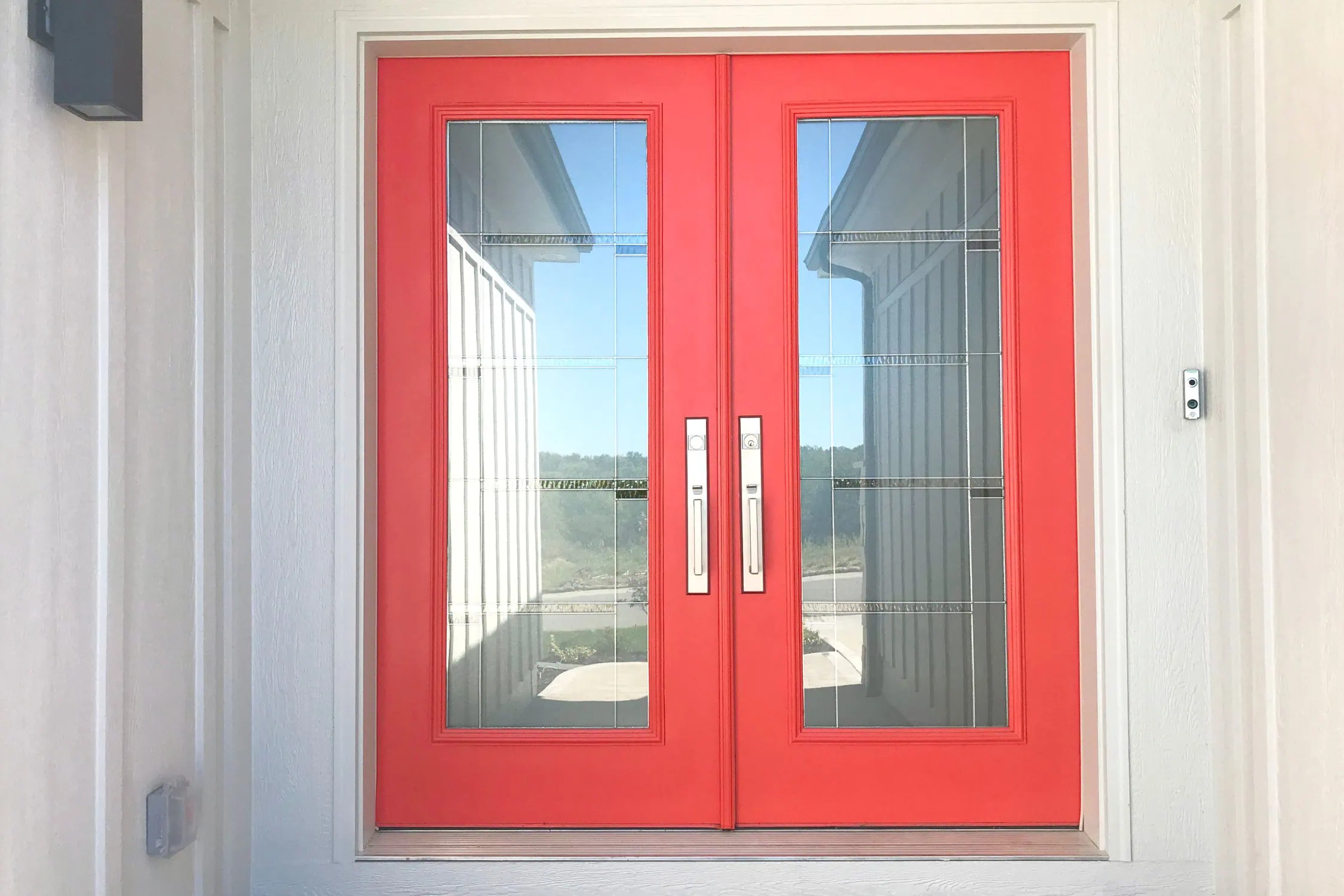
Compare double doors vs single doors for your home. Explore costs, security, space needs, and style to make the best choice for your entryway.

Confused about standard door size? Learn Canadian door widths, heights, frame sizes, and expert tips to help you measure right and avoid costly mistakes.


Andrew and his crew did absolutely fantastic work! On time, very professional and very tidy. From the time we first met with him to discuss the installation and decide on the door (colour and style) to the time the door was installed it was perfect communication and he delivered as he promised. Thank you Andrew! I will definitely recommend you to my friends and customers.
We engaged Andrew to make a window in the existing balcony door in our apartment during the cold season. The entire project from start to finish was carried out very professionally, accurately and quickly. We are very pleased with the result as the window is of excellent quality, done on time and at a reasonable price. We recommend his services to everyone!
We badly needed a new entrance door. Andrew was patient and gave us very good advices. The quote was very good and we decided right away to ask him to do the job. The double door was delivered and installed on time. Andrew also very kindly installed locks I had bought previously. A very good good job indeed. I will gladly recommend to friends and family to call Andrew if they need a window or door job. Jf Masson (Toronto)
Andrew is an honest real professional. He keeps his promises in terms of time and deliverables and the price is very good. We replaced the entrance door and it looks magnificent. He finished the job very quickly. All-in-all, very pleasant to deal with and is highly recommended.
In the past years we have taken quotes on windows for our home from various companies, usually with a salesman. Andrew runs a very straightforward operation. You measure your windows, you can input your measurements in his website and that is what they will roughly cost. Then if you're happy, you forward the measurements to Andrew and he will quote you again and if you like the price he will come out and remeasure and discuss options with you. When Andrew said he was coming at x time. He was there. he got hung up in traffic and called me to say he was going to be a bit late. No problem. That he called and told me he was running behind was another huge plus. When I had other salesman visit, you couldn't help but get the feeling that they were trying to put one over on you. I didn't get that impression with Andrew. He's very "what you see is what you get" To be clear Andrew is ONE of the guys installing your windows. Not a cent is being paid to some slick salesperson. Part of the problem with Andrew's organization is that he didn't have a significant web presence. Not many reviews and not much to go on. However, I was very happy with his price and decided to go with him despite this. I gave a deposit, and throughout the time it took to get our windows made, he called me to update the status of my windows. Installation day came (Friday) and he mentioned that one of our windows had been cracked at the factory. He said he would install the window and have it switched out by either himself or the factory. I told him I would be withholding the value of the cracked window until it was replaced. He had no problem with that. Our job was stretched to 2 days (11 windows and patio door). When he came back on Monday, he replaced the cracked window. So am I happy with his pricing and quality of workmanship and the quality of his windows? Absolutely. I am so glad I waited and found this company. It made a huge difference in our budget. My only disappointment is that Andrew does not do vinyl siding or eaves troughs, because he would have gotten those jobs too!
Andrew installed a new front door for us. He was a pleasure to deal with. Straight forward, honest, and he has a great sense of humour. Most important he showed up when he said he would and did a fabulous job. We are very happy with the finished product. Thank you Andrew!
This is our second house that Andrew helped us with the windows and doors installation. As before Andrew and Vladimir did an excellent job. Andrew gave us the lowest quote, finished the job in a timely and order fashion, and the quality of work is simply superb. If you are looking for quality work at a reasonable price, you can't go wrong with Andrew.
Andrew gave a quote, provided detailed work information and a catalogue of all door styles. When the team came to install, they were on time and professional. There was some rotten subfloor, they removed it and installed a new piece. I provided the new door hardware and they installed too. Throughout, the kept the area clean. The door looks great and and the caulking was all smooth and even. I highly recommend them.
I'm happy to finish this project with Andrew. He has provided me a reasonable price, timeline and quality of products. He is a polite and hard workingmen. I am highly recommended to do business with him. Thank you for your advise and the job on this project.


— Anastasia